■ Introduction
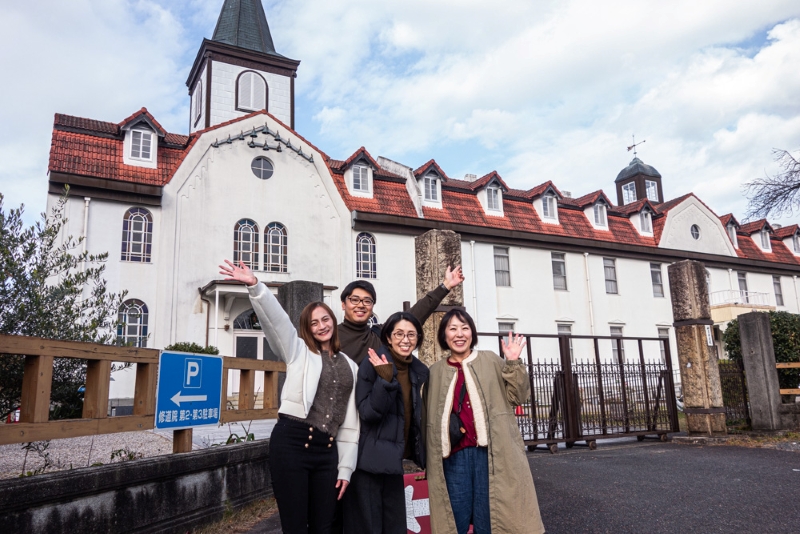
Hello. I am Aungvara Nomnunthasab, a travel influencer originally from Thailand. I have lived in Tokyo for three years, during which time I have travelled extensively throughout Japan, including parts of Hokkaido, the Tōhoku region, and Fukuoka. In the Kantō region, I have also participated in numerous Japanese festivals, such as the fireworks displays in Ibaraki.
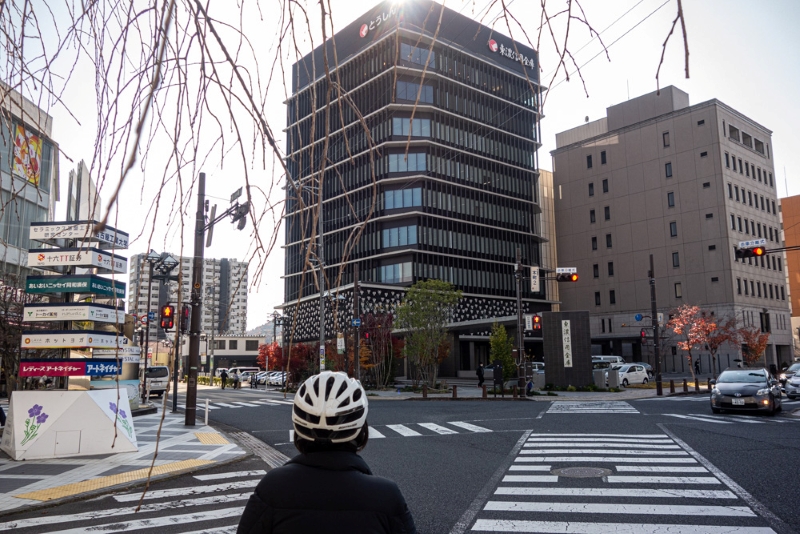
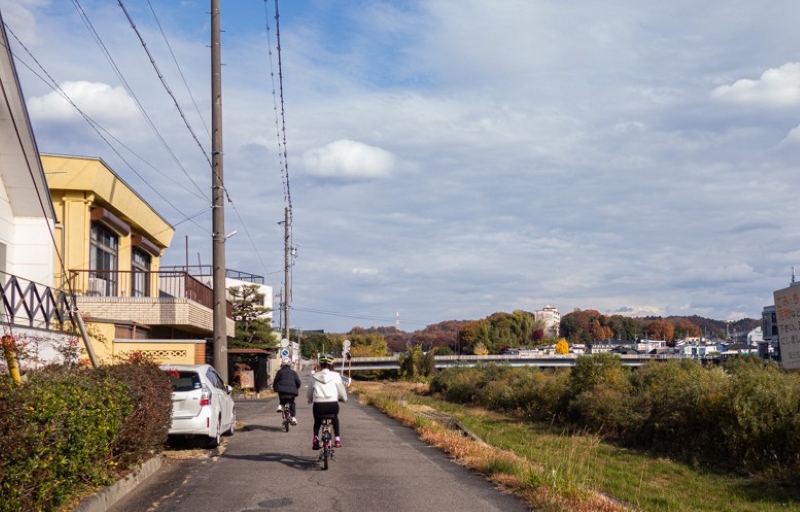
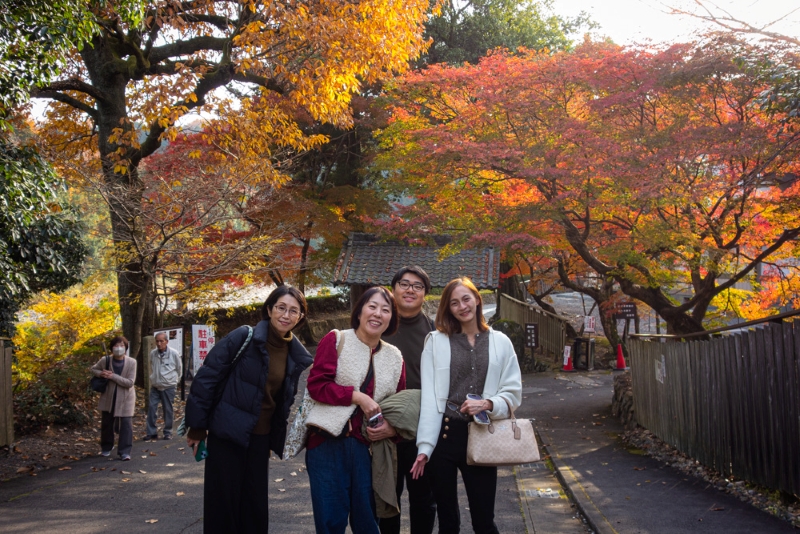
Despite these experiences, there was one town I had never visited before: Tajimi City in Gifu Prefecture. This time, I participated in a monitoring tour as a representative from Thailand, experiencing a cycling tour around the town. As a result, unlike the famous tourist spots I had visited before in Japan, Tajimi City offered a more tranquil atmosphere where I could spend time closer to everyday Japanese life.
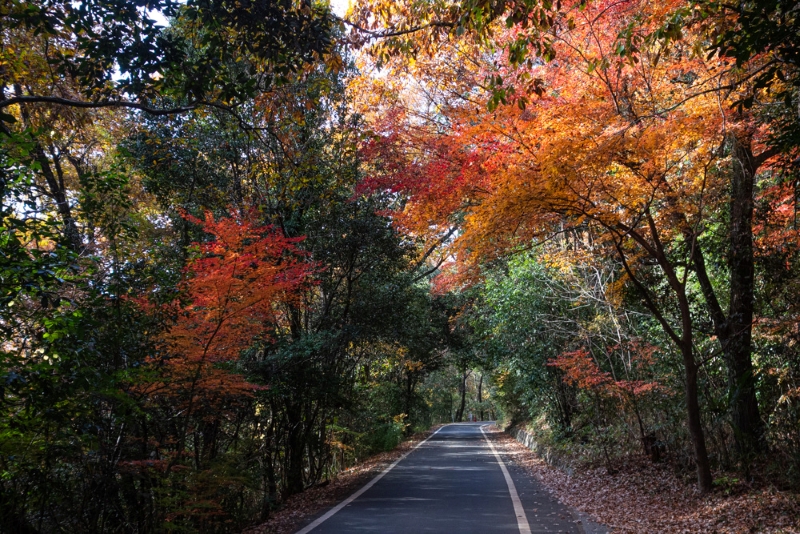
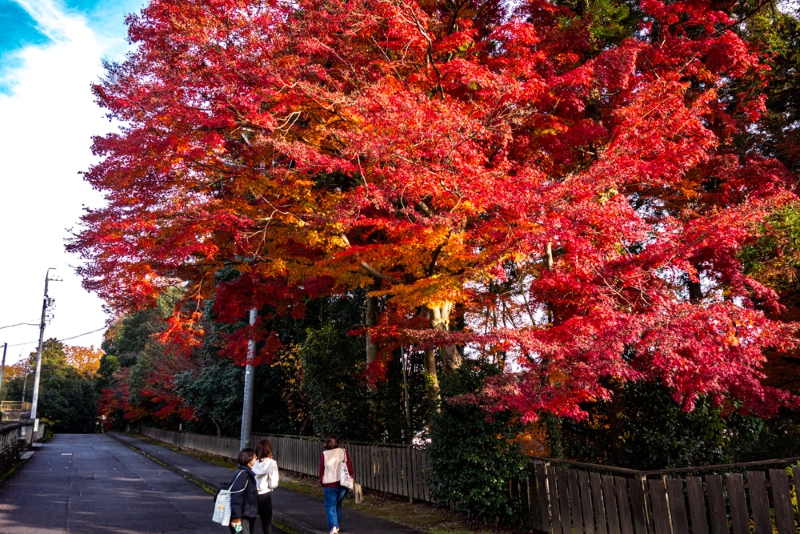
What particularly stood out was the cycling tour format. Cycling allowed me to truly feel the town's atmosphere and scenery, giving me the sensation of “staying in the place” rather than merely “seeing” tourist spots. Moreover, the slower pace of travel naturally drew my attention to the town's subtle charms and the daily lives of its people.
In this article, I will share my honest impressions of the Tajimi City cycling tour, based on my actual experience as a participant in a monitor tour. I will convey these insights from a Thai perspective, aimed at those in Thailand considering a trip to Japan. I would be delighted if Tajimi City becomes a new option for those pondering, ‘Where shall I go on my next trip to Japan?’
■ What is Tajimi City, Gifu Prefecture, explored on a cycling tour?

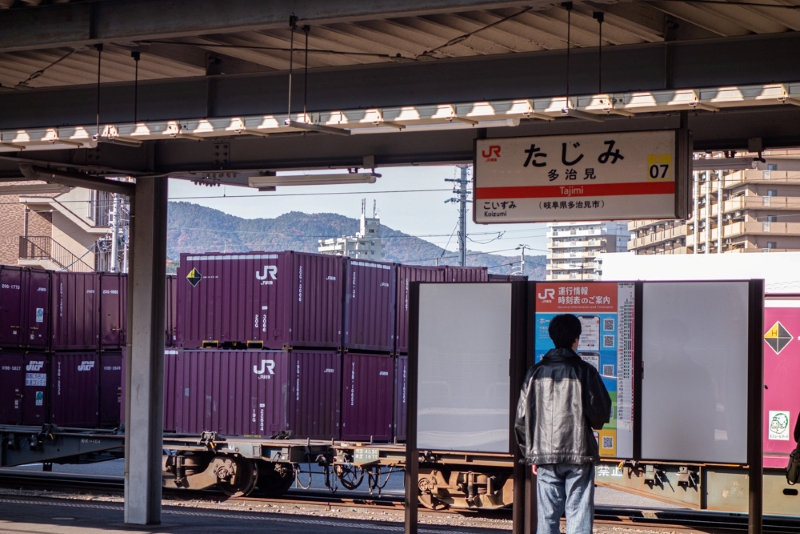
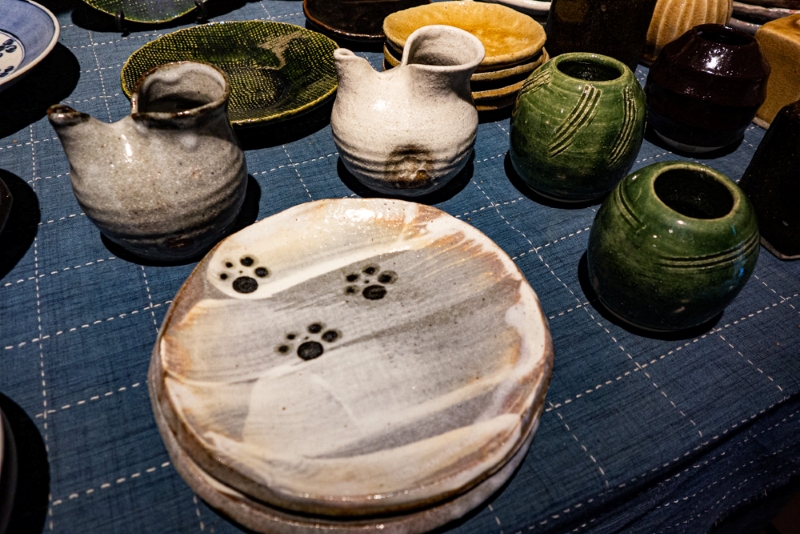
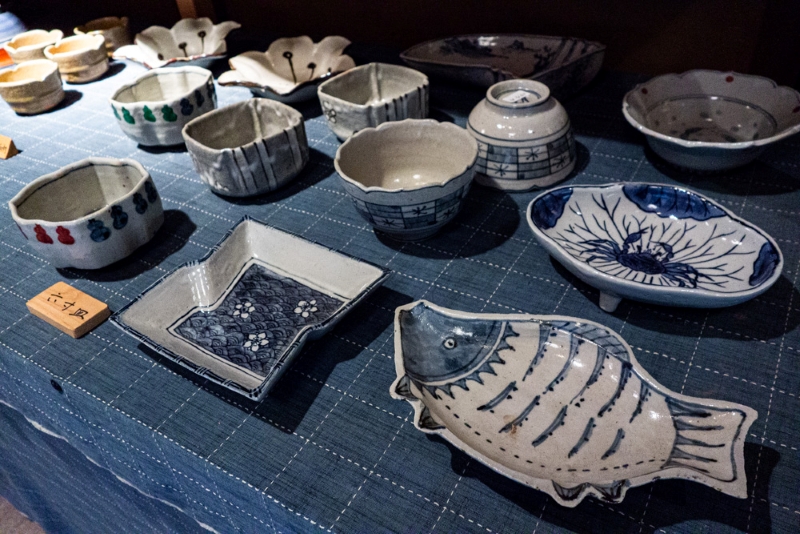
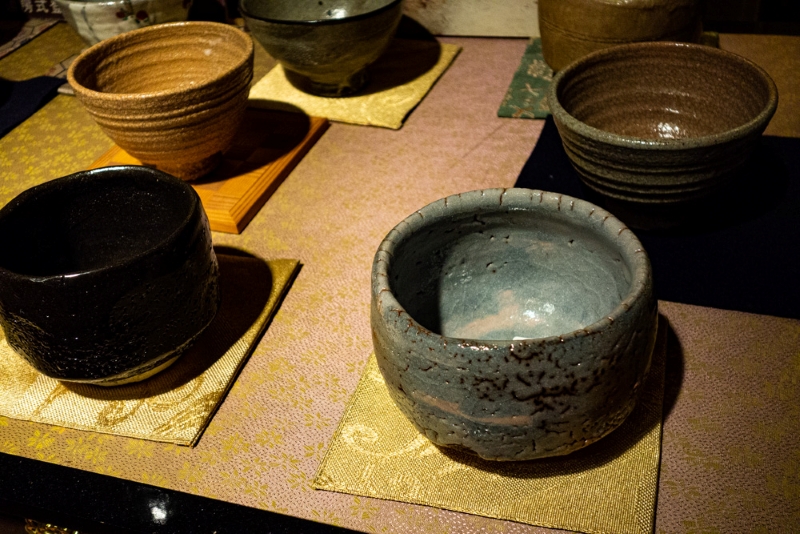
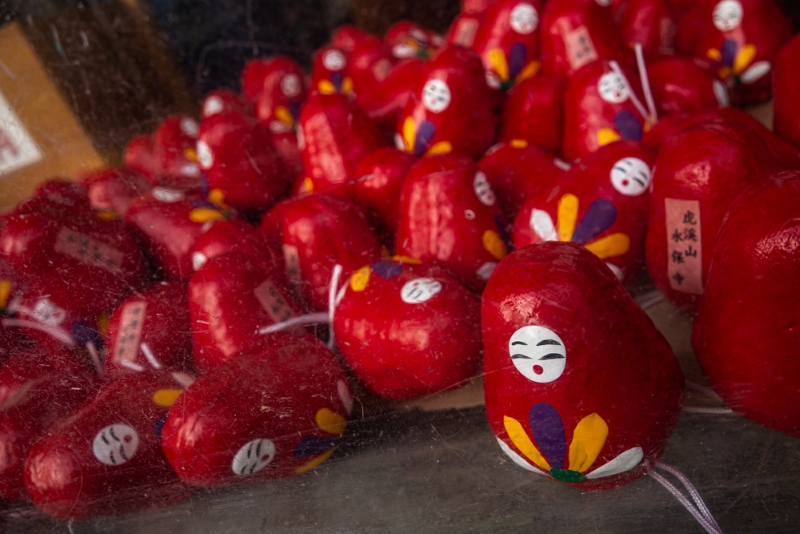
Tajimi City in Gifu Prefecture is a region highly regarded both domestically and internationally as one of the principal production centers for Mino ware, a traditional Japanese pottery with over 1300 years of history. Even today, numerous kilns remain within the city, where simple yet beautiful tea bowls, plates, and cups for daily use are meticulously crafted. Therefor pottery studios, galleries, and shops are scattered throughout the town, allowing visitors to experience the artisans' skills and the Japanese aesthetic sensibility embodied in the ceramics up close.
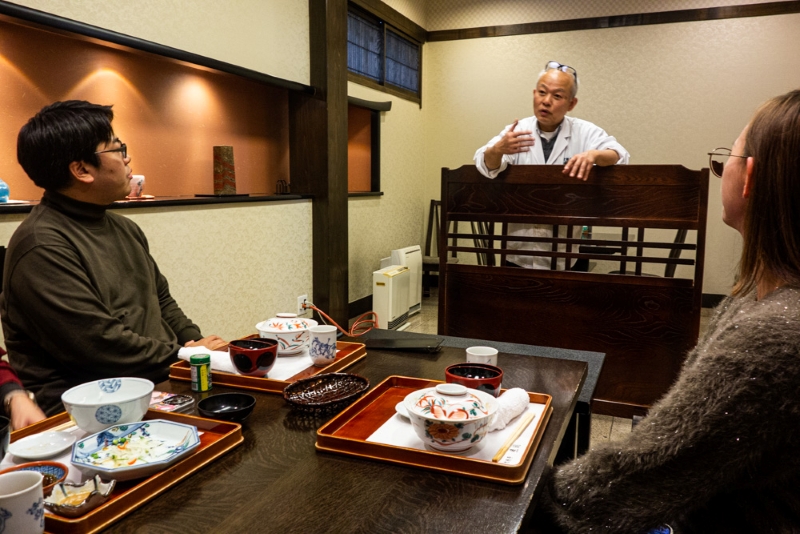
Tajimi's appeal extends beyond ceramics. For example, the long-established restaurant “Rōmantei Uoseki”, renowned locally for its eel and Japanese cuisine. It is also famous for serving high-quality Japanese dishes made with fresh seafood. Moreover, the food is presented on Tajimi's beautiful ceramics, creating a dining experience where the dish and its vessel become one – a luxury unique to this town and a place where you can truly feel the deep connection between Tajimi's food culture and its pottery.
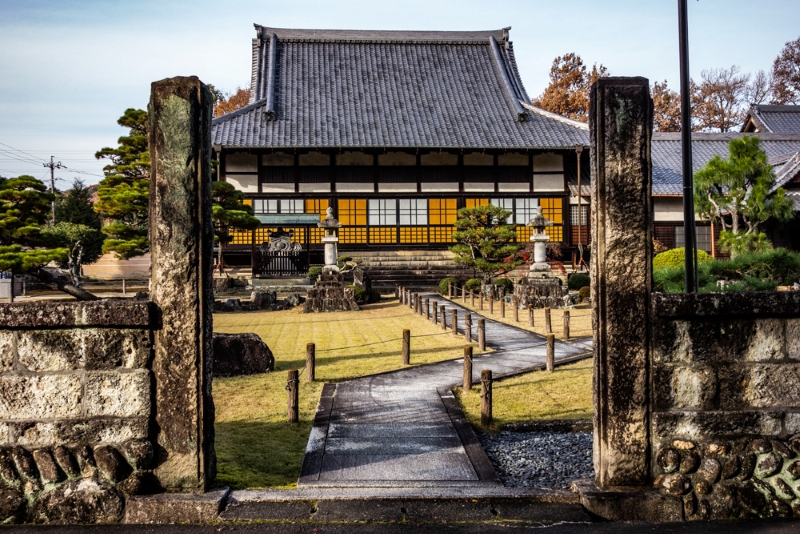
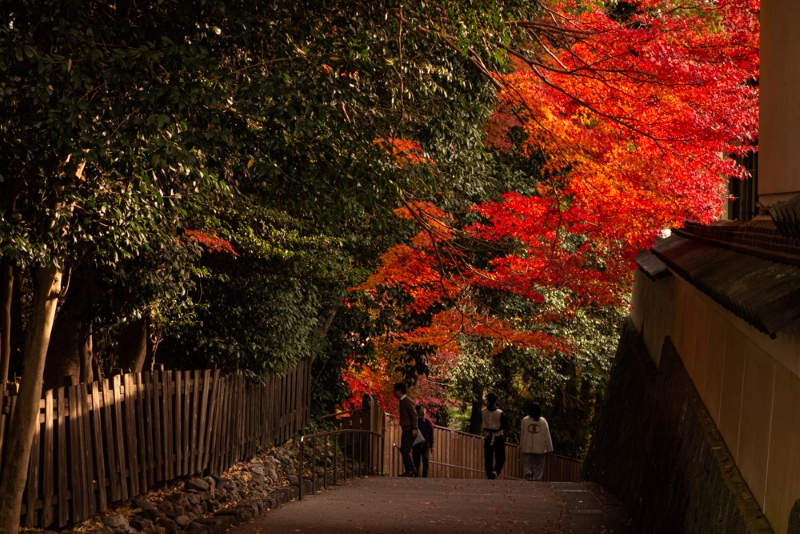
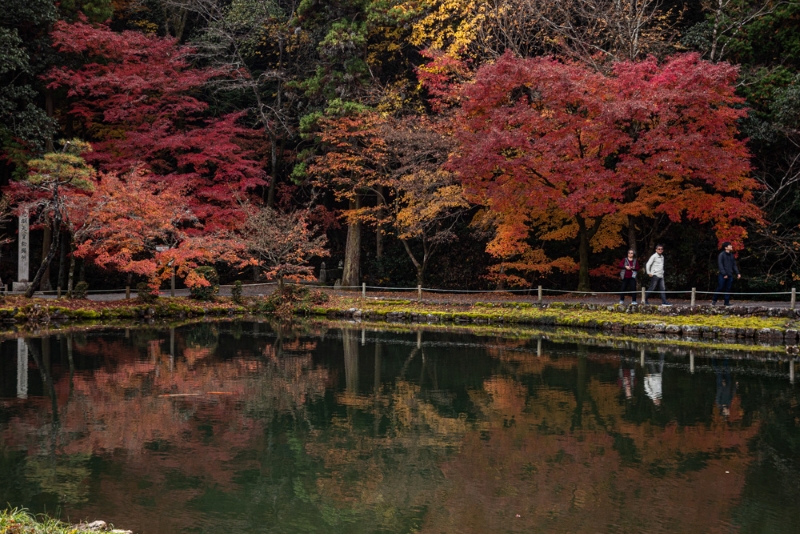
Another indispensable site of great significance in Japanese Buddhist culture is Kokeizan Eihōji Temple. This historic Zen temple offers a serene space enveloped in tranquility, particularly during autumn when its beautiful gardens are ablaze with color.
Tradition, culture, history. Compactly encompassing all these elements, Tajimi City may lack the flashiness of major tourist destinations, yet it is an exceptionally charming town where you can deeply experience everyday Japanese life and culture.
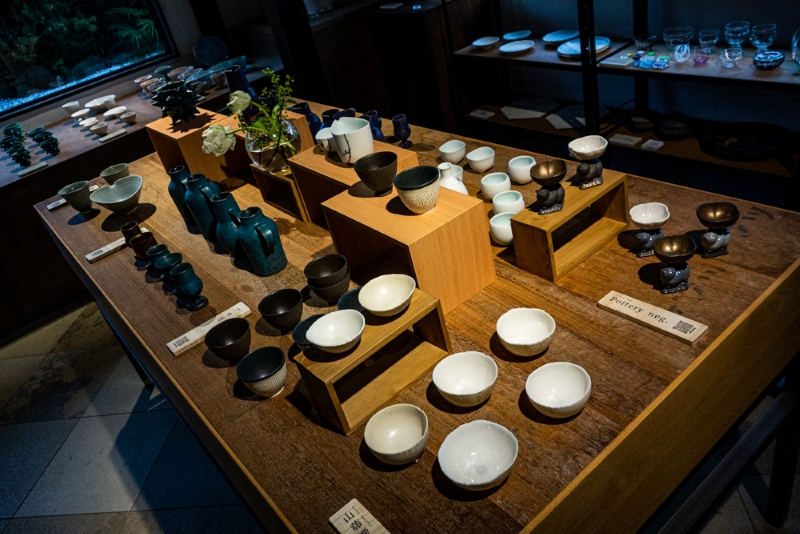
■ Recommended Spot ① Kokeizan Suigetsu Kiln ― A place to experience the world of traditional pottery kilns
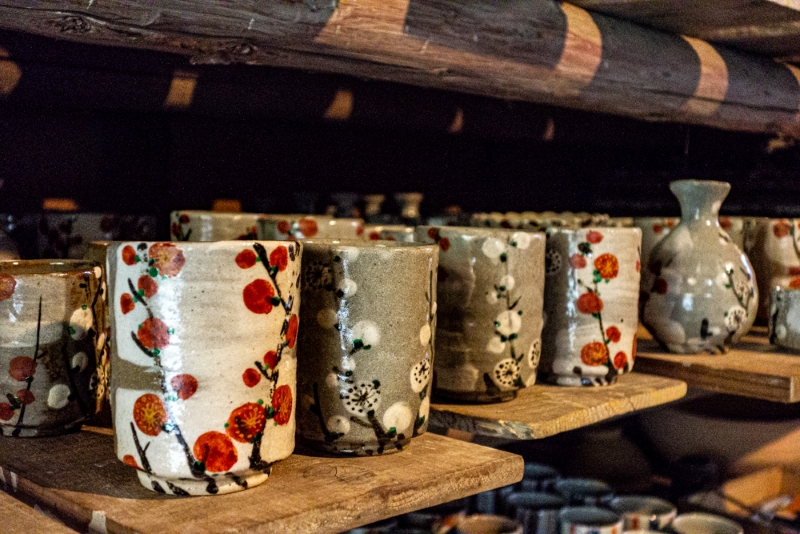
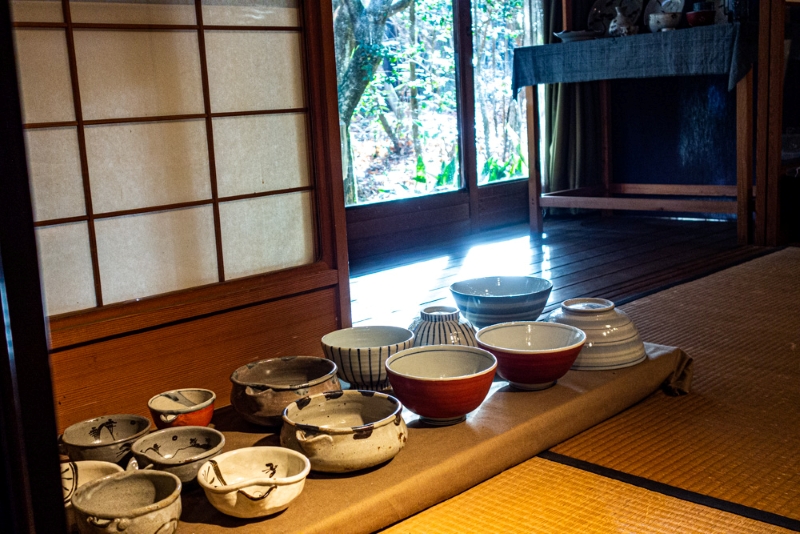
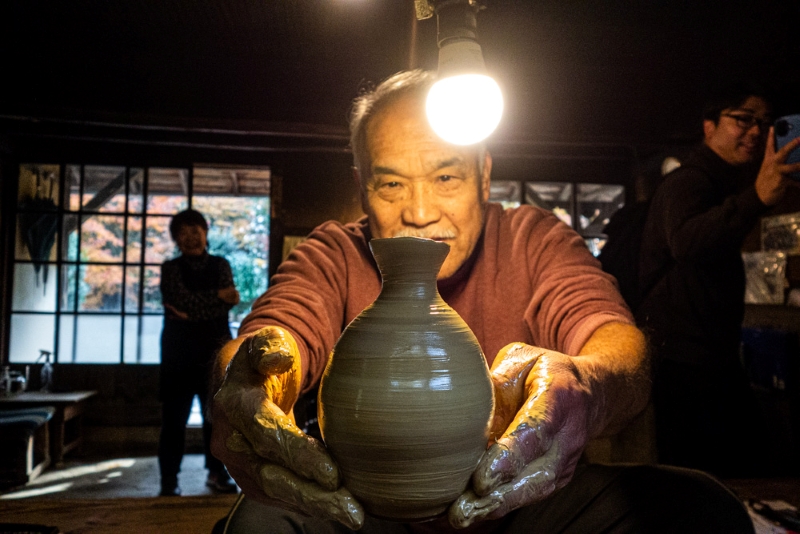
Thailand boasts renowned pottery such as “Bangkok Pottery”, reflecting traditional Thai design and color schemes; “Chiang Mai Pottery”, utilizing northern traditional techniques to create pieces with a rustic, warm appeal; and “Sukhothai Pottery”, often featuring designs inspired by the ancient Sukhothai Kingdom's culture. However, Mino ware represents a fusion of advanced techniques cultivated over and even longer history and contemporary design.
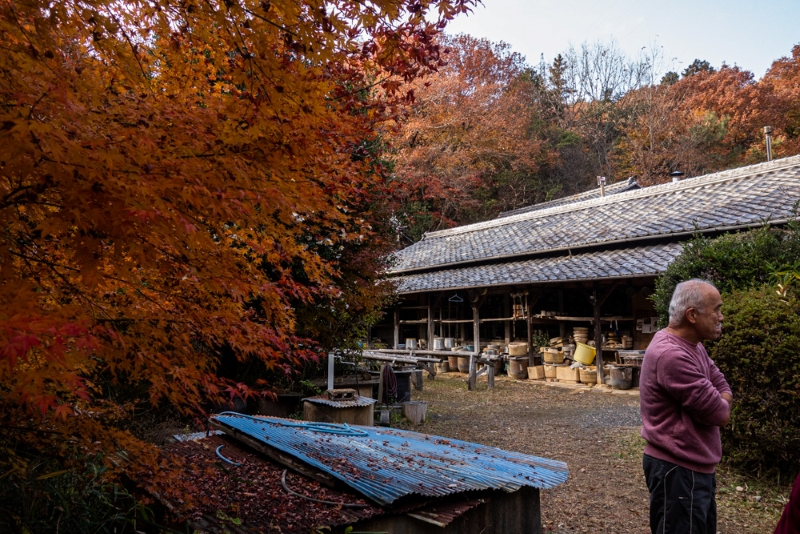
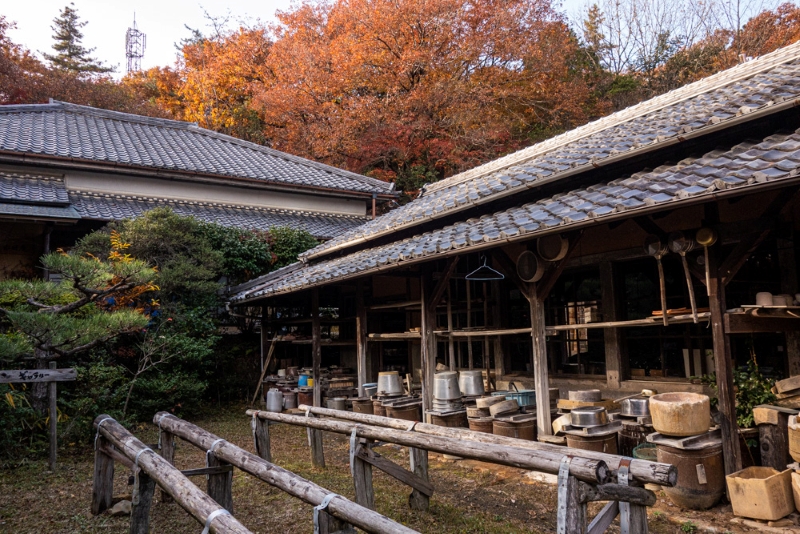
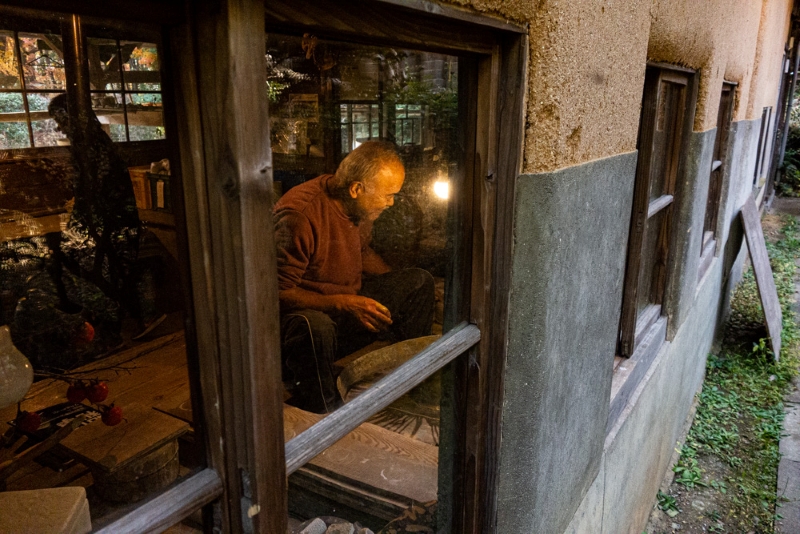
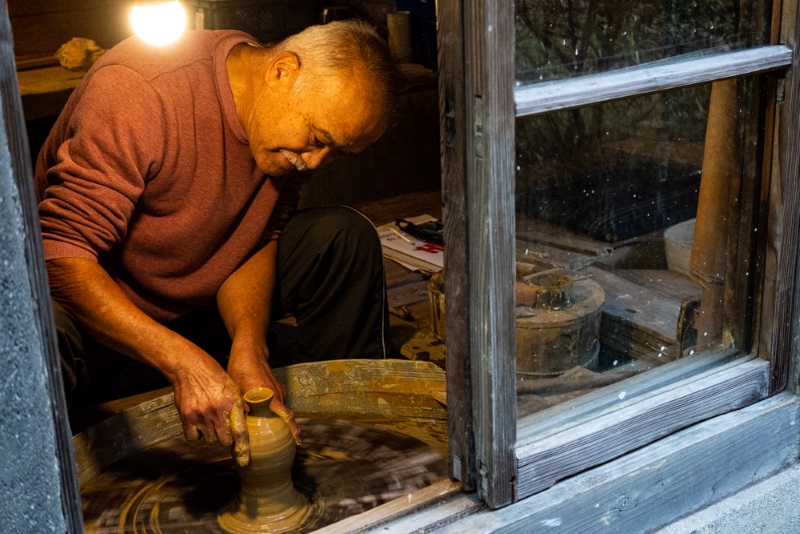
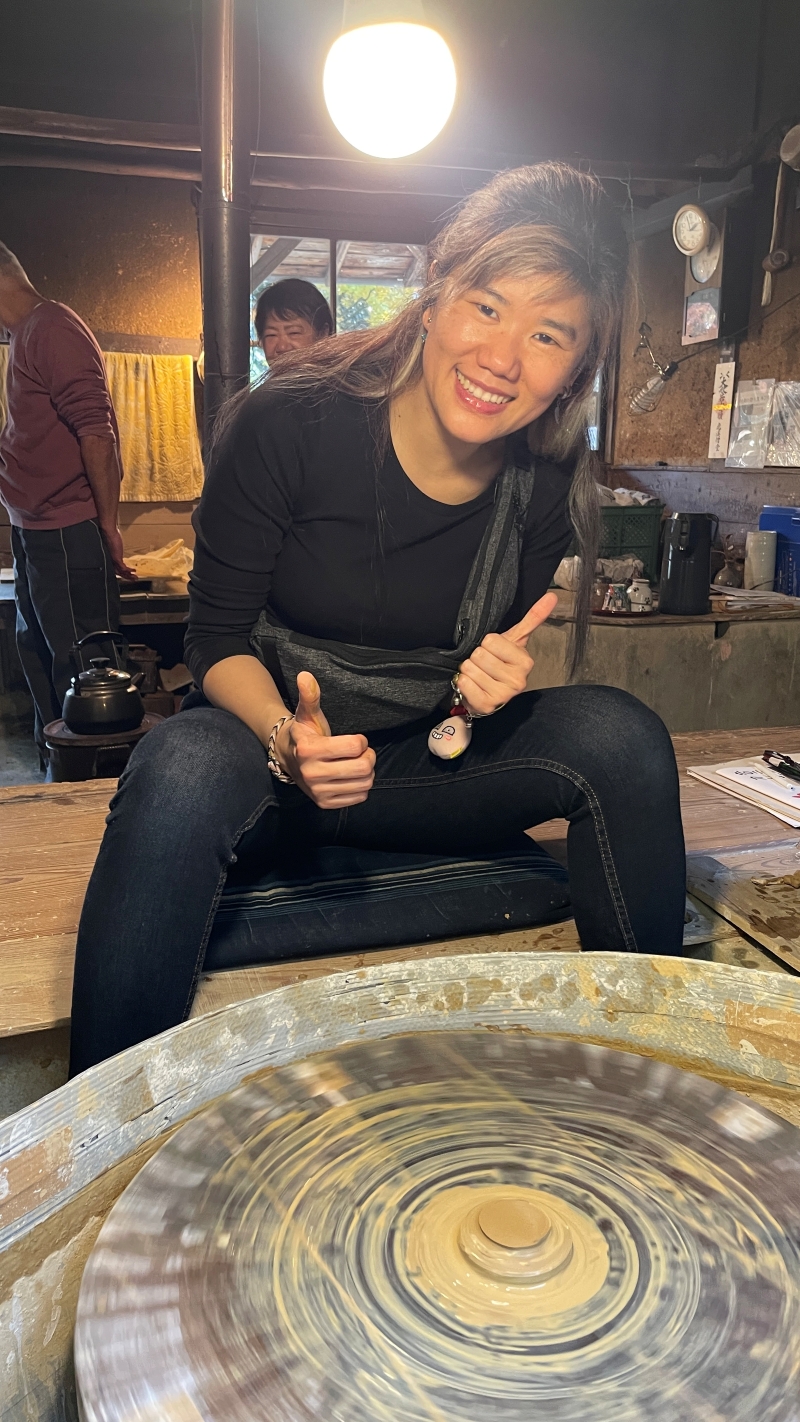
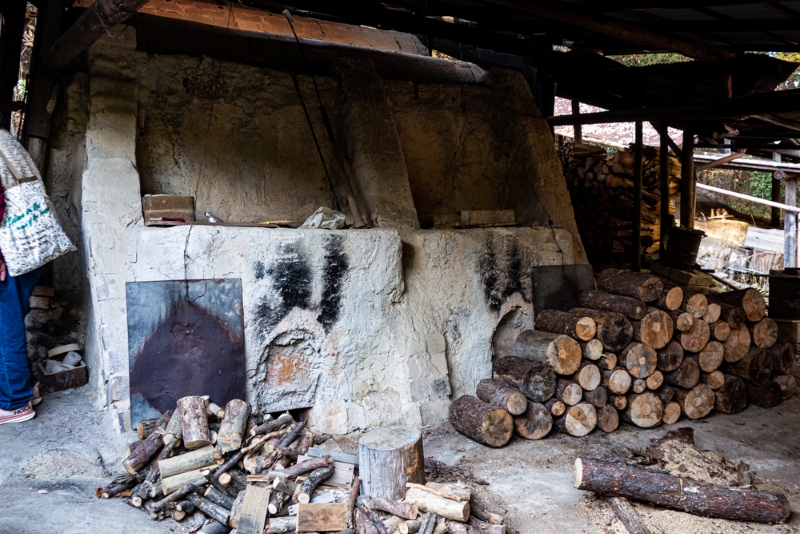
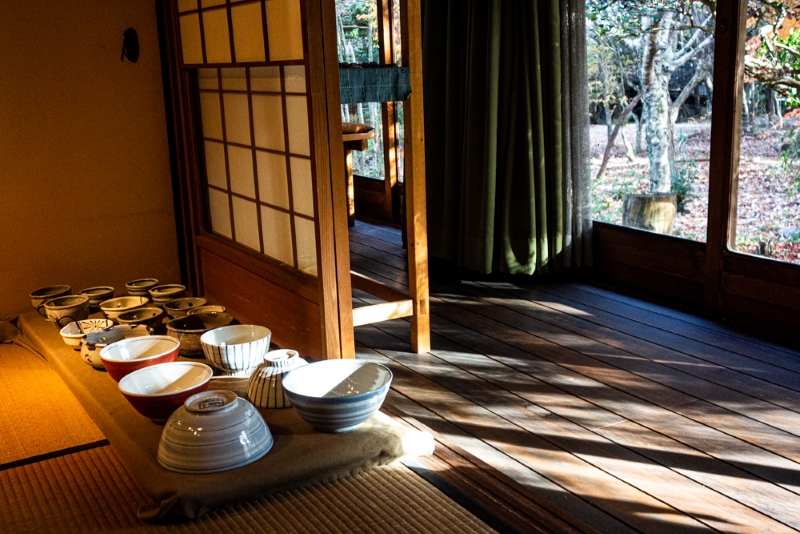
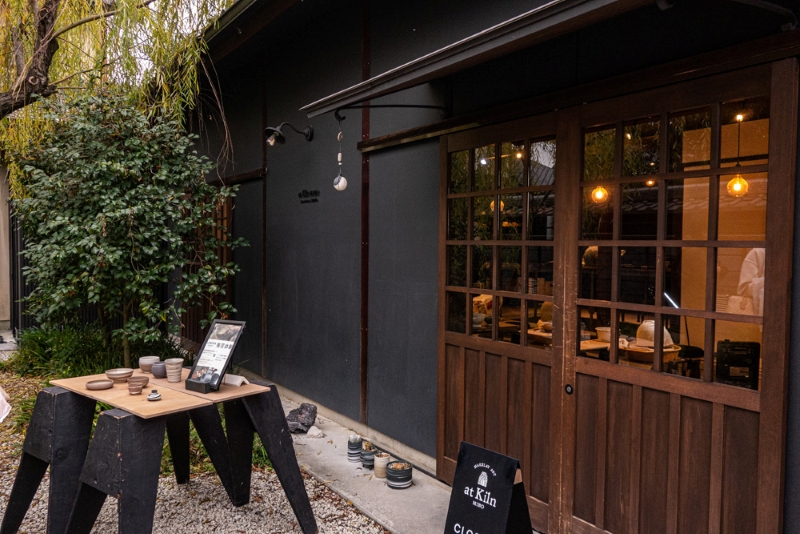
The Suigetsu Kiln is deeply connected to the Mino ware culture that Tajimi City takes pride in. While preserving traditional techniques passed down through generations, it continues to produce high-quality ceramics today. Visiting the kiln reveals that Suigetsu produces a wide range of ceramics, from everyday tableware to highly artistic pieces. Moreover, the simple forms, natural glazes, and understated yet profound beauty struck me as uniquely captivating aspects of Japanese ceramics. During the tour, one can also observe the pottery-making process up close, witnessing the artisans meticulously crafting each piece.
Therefore, visiting this place offers the opportunity to learn the joy of experiencing Japanese culture through Mino ware, whilst also finding it fascinating to discover differences with one's own country's artistic traditions.
■ Recommended Spot ②: Rōman-tei Uoseki ― A renowned establishment where you can savour the finest eel rice bowls
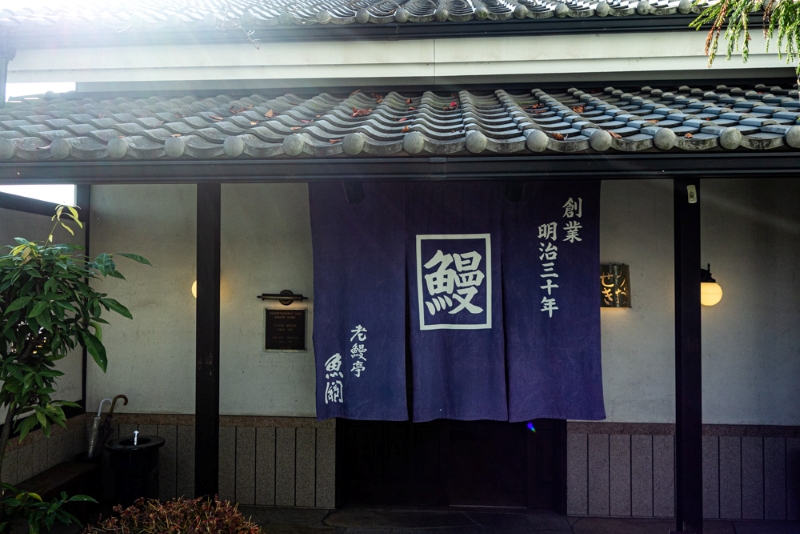
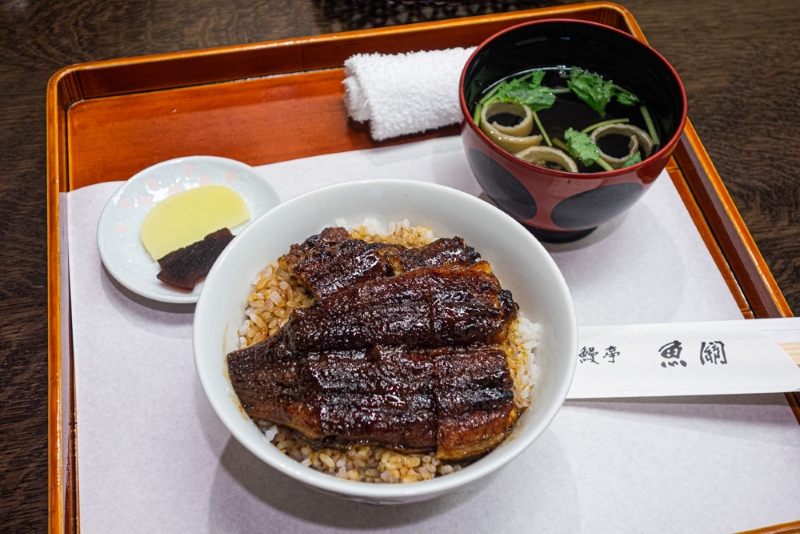
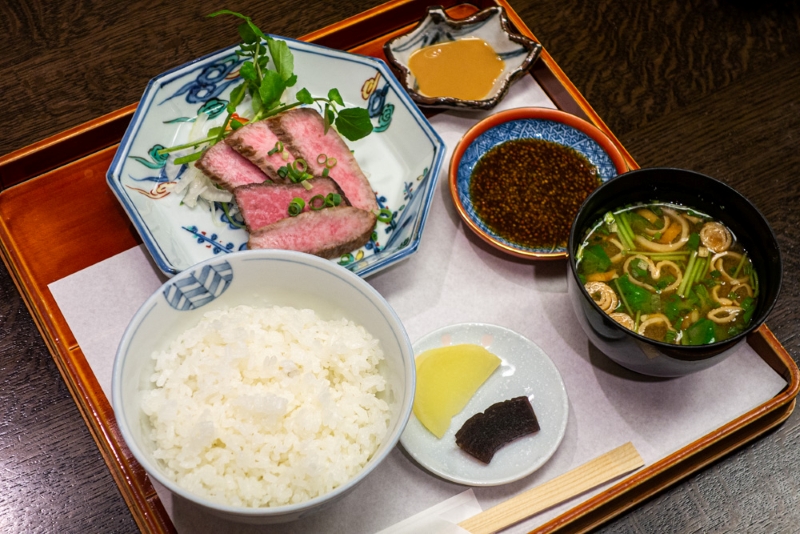
My homeland, Thailand, also has a culture of eating eel, and you can enjoy eel dishes at restaurants serving Japanese cuisine. Moreover, the Thai-produced eel, the spotted eel, when prepared as kabayaki, has a flavour quite similar to Japanese eel and is truly delicious. However, the eel served at long-established Japanese restaurants offers a completely different experience – from the aroma the moment it arrives at your table, to the texture and flavour of that first bite.
The eel at Rōmantei Uoseki is a masterpiece, harmonizing rich umami with a subtle sweetness. The surface is finished with a light, crispy texture, while the inside remains plump and tender, meticulously grilled. Furthermore, the traditional sauce, made with soy sauce, sugar, and mirin, enhances the eel's rich flavour, creating a deep taste that feels light rather than heavy.
Therefore, the eel, served warm, is elegantly placed on top of rice, creating a luxurious moment. Moreover, being served on Mino ware tableware allows you to enjoy a special dining experience with refined beauty.
■ Recommended Point ③ Kokeizan Eihoji Temple ― A historic Zen temple enveloped in tranquillity and beautiful gardens
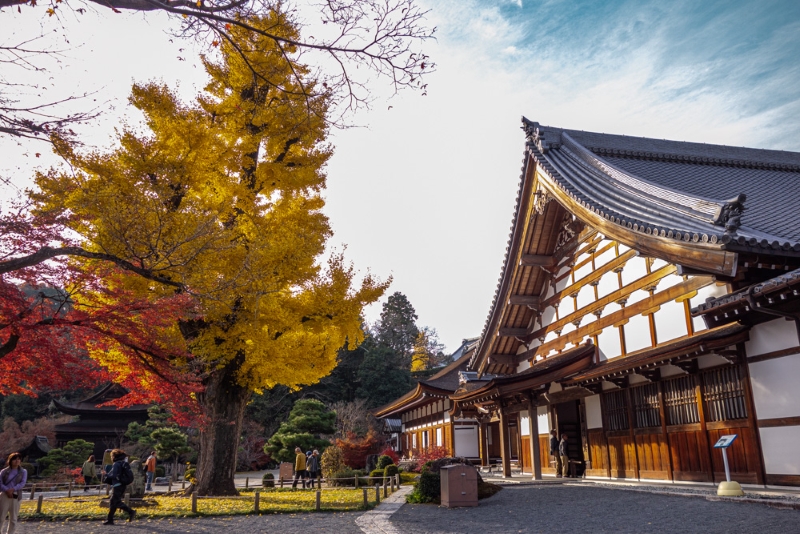
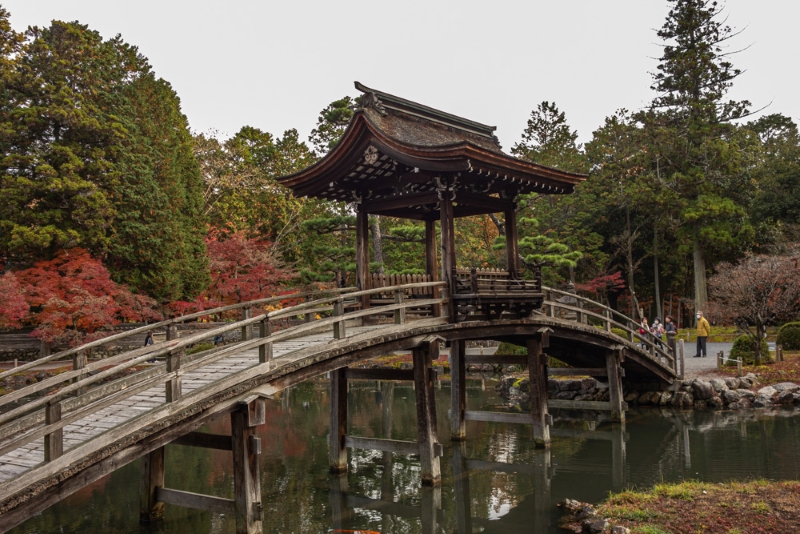
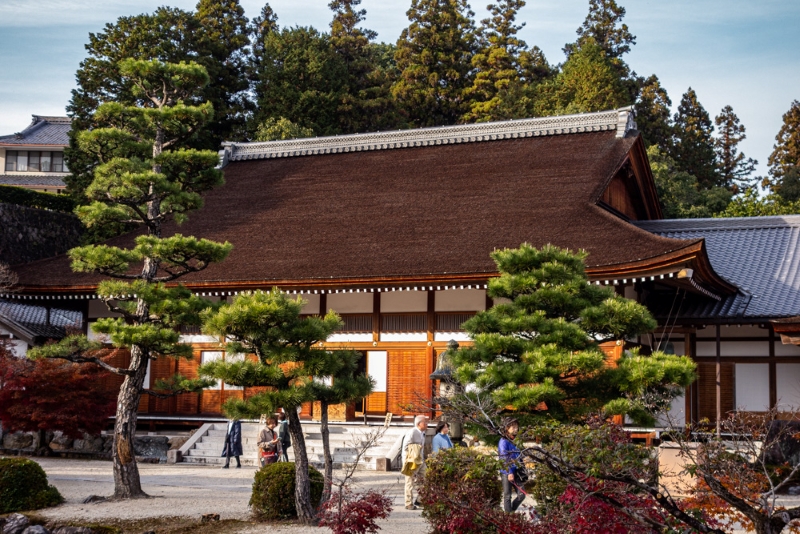
When you visit Tajimi City, Kokeizan Eihoji Temple is one place you should definitely visit. Founded during the Kamakura period, this temple belongs to the Rinzai school's Nanzenji branch. Its entire precinct is enveloped in a quiet, serene atmosphere. (It evokes the profound historical weight of temples like Wat Phra Si Sanphet, the most important temple within the Ayutthaya Royal Palace complex, or those in the Lanna style.)
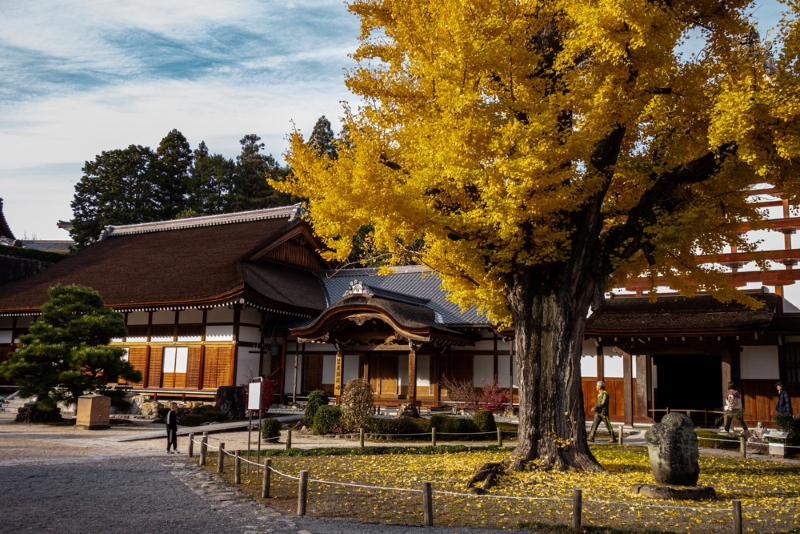
The garden within the precincts is designated a National Scenic Garden, boasting the largest area in Japan for a National Scenic Garden containing a National Treasure building. Furthermore, the large ginkgo tree standing before the main hall, estimated to be around 700 years old, is designated a Natural Monument of Tajimi City. Its majestic form leaves a deep impression on visitors.
For us Thais, temples are very familiar places, and Eihō-ji is also deeply familiar to the people of this area, symbolizing the history and culture of this land. After working up a slight sweat cycling, visiting such a space filled with tranquility allows one to feel Japan's aesthetic sensibility towards nature and its culture more profoundly. I highly recommend you visit here too.
■ Recommended Point ④ Honmachi Olive Street ― A quintessential Tajimi strolling area where you can enjoy ceramic culture and a leisurely walk
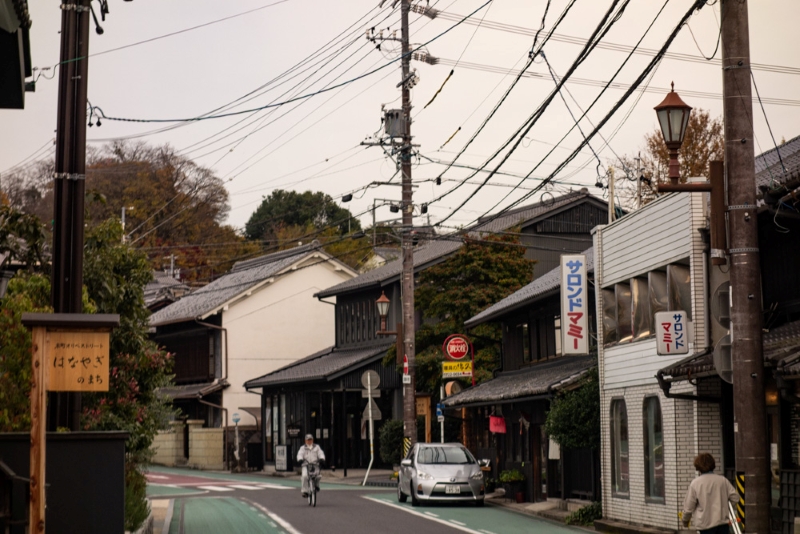
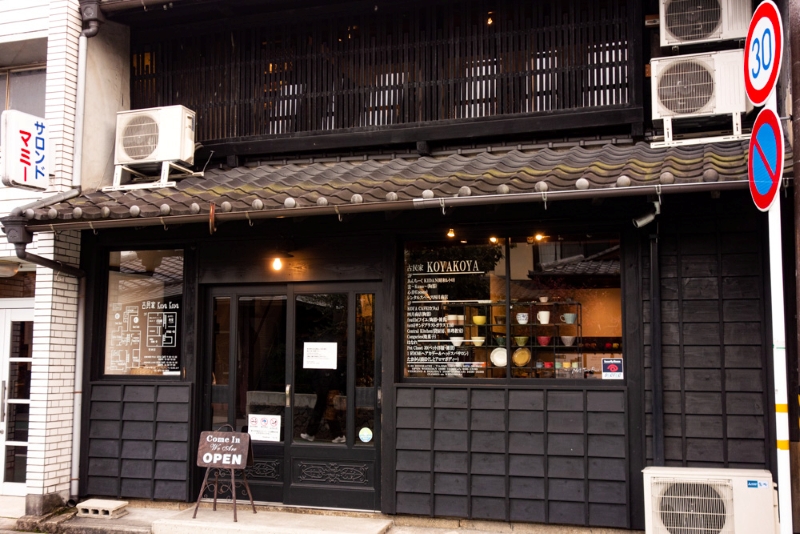
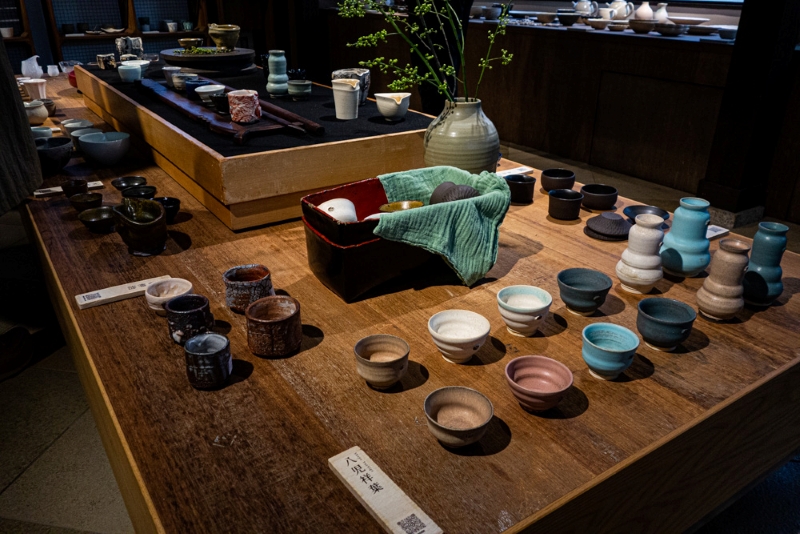
Honmachi Olive Street was once the bustling commercial heart of Tajimi, lined with Mino ware ceramic wholesalers from the Meiji period through to the early Shōwa era. Today, it has been developed into a walking area that preserves Mino ware culture, incorporating the free and innovative spirit of Furuta Oribe – a Sengoku-period warlord and tea master from Gifu Prefecture – into contemporary town planning. Particularly around the Tōdo Sōzōkan (Pottery Creation Centre), distinctive pottery shops, galleries, and antique stores line the streets, allowing visitors to sense the living spirit of the ancient ceramic culture nurtured here.
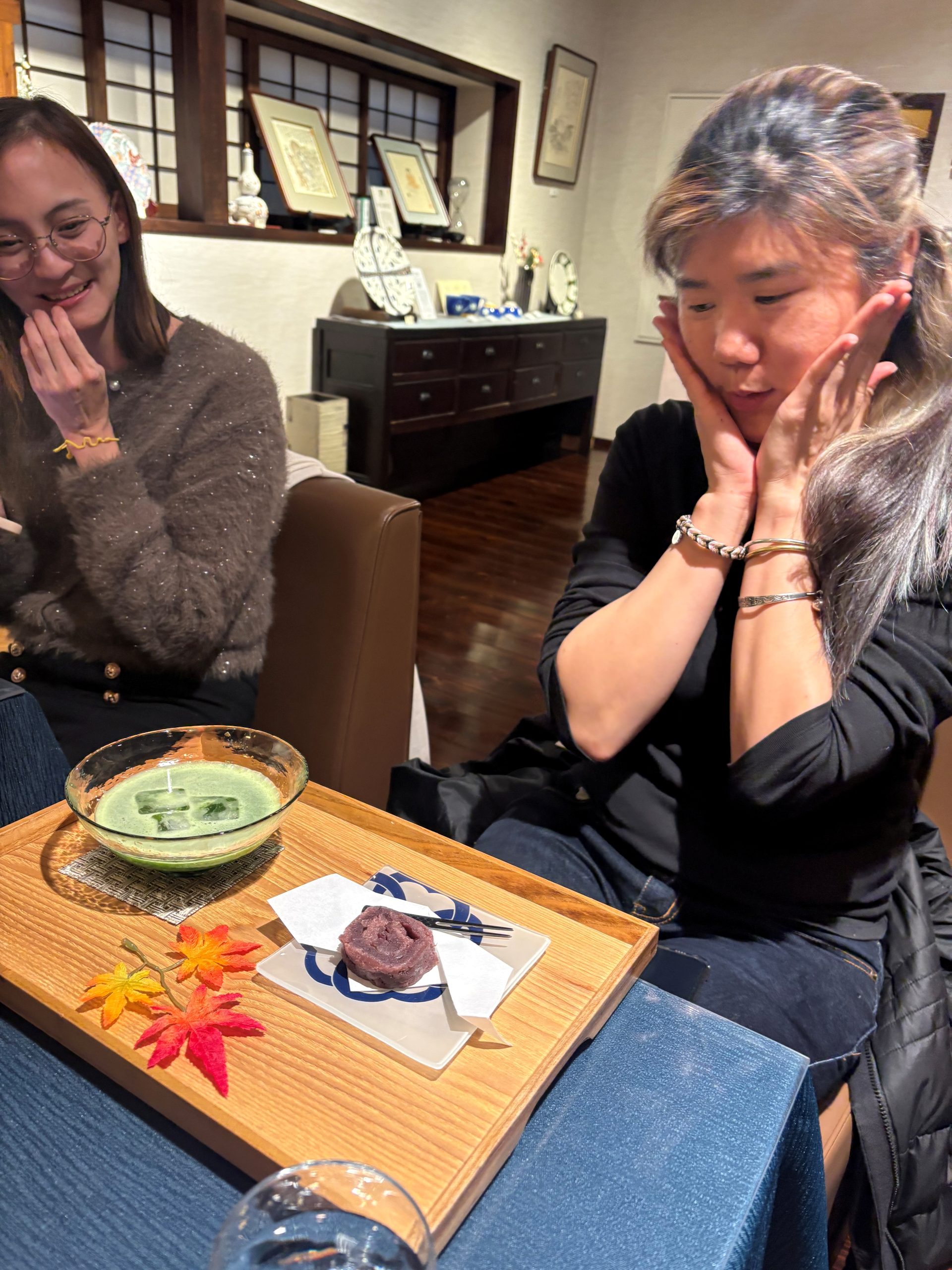
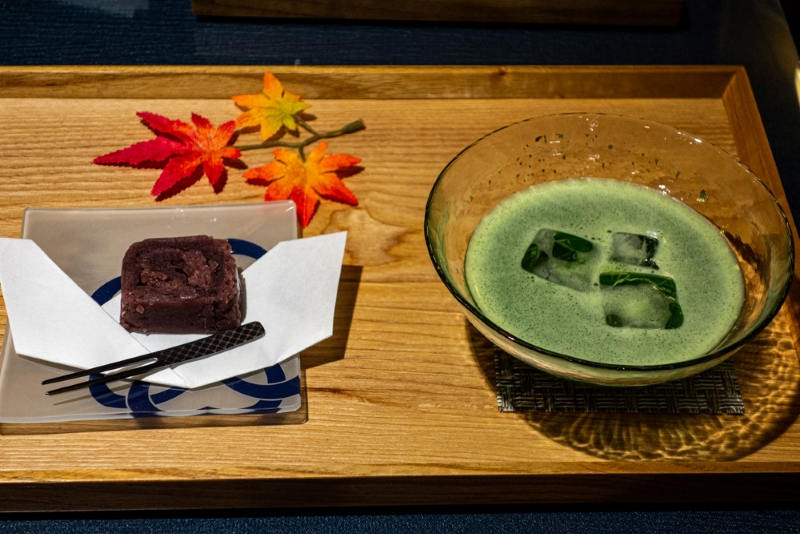
This time, we visited “THE GROUND MINO”, a complex facility along Olive Street centered on the concept of “earth”. The facility houses shops and galleries specializing in Mino ware, alongside restaurants serving dishes on Mino ware tableware, allowing visitors to fully appreciate the charm of Mino ware throughout the entire complex. Consequently, it seemed a fitting place to conclude our Tajimi City cycling tour.
■ Summary
This time, we have summarized the recommended highlights of a cycling tour around Tajimi City in Gifu Prefecture. What did you think? As a major center for Mino ware with over 1300 years of history, Tajimi City offers not only traditional ceramic culture but also culinary traditions savoured at long-established restaurants and the tranquil, historic spaces of Kokeizan Eihō-ji Temple. Here, you can experience Japan's everyday life and aesthetic sensibilities up close. Exploring this charming town by bicycle allows you to deeply experience its atmosphere and the lives of its people. While not flashy, it makes for a memorable journey. Tajimi City is a truly appealing destination, highly recommended as a new choice for your travels in Japan. We encourage you to visit on your next trip to Japan.