■ Introduction
Сайн байцгаана уу! (Sain banzgaanuu) Hello, everyone! I'm Enkhtaivan Enkhchimeg, born in Mongolia, raised in the United States, and now living in Japan. Most people just call me Meg, and I'd love it if you did too.
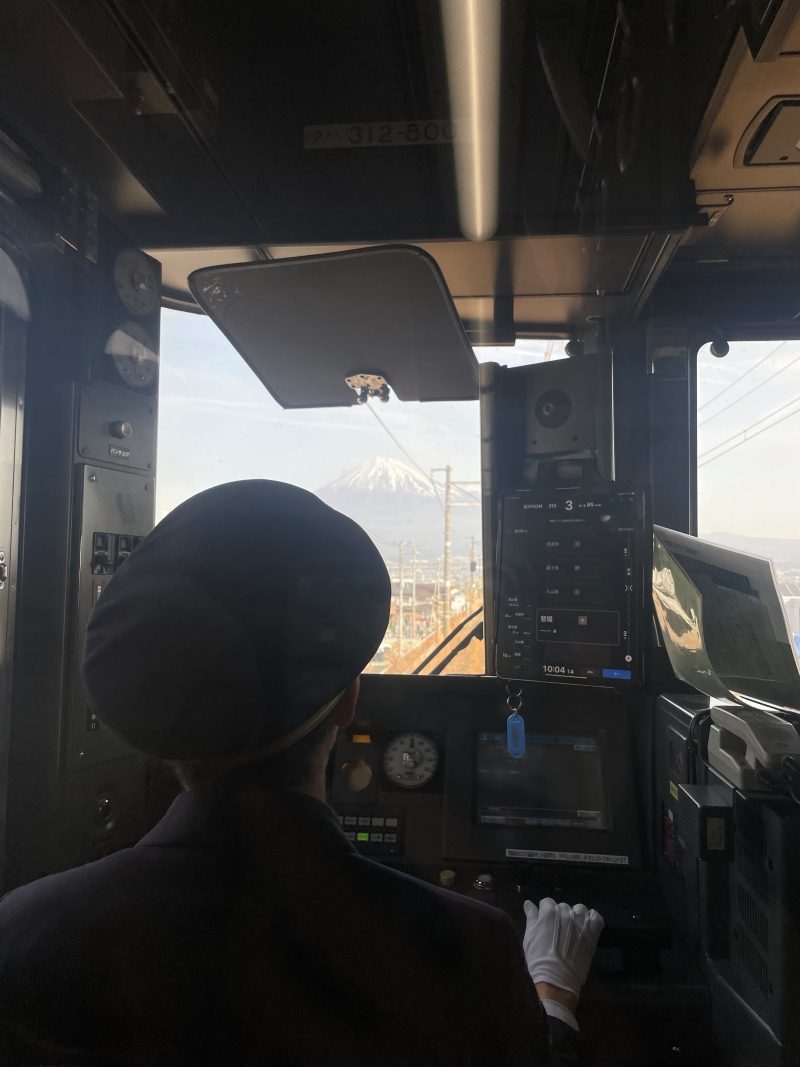
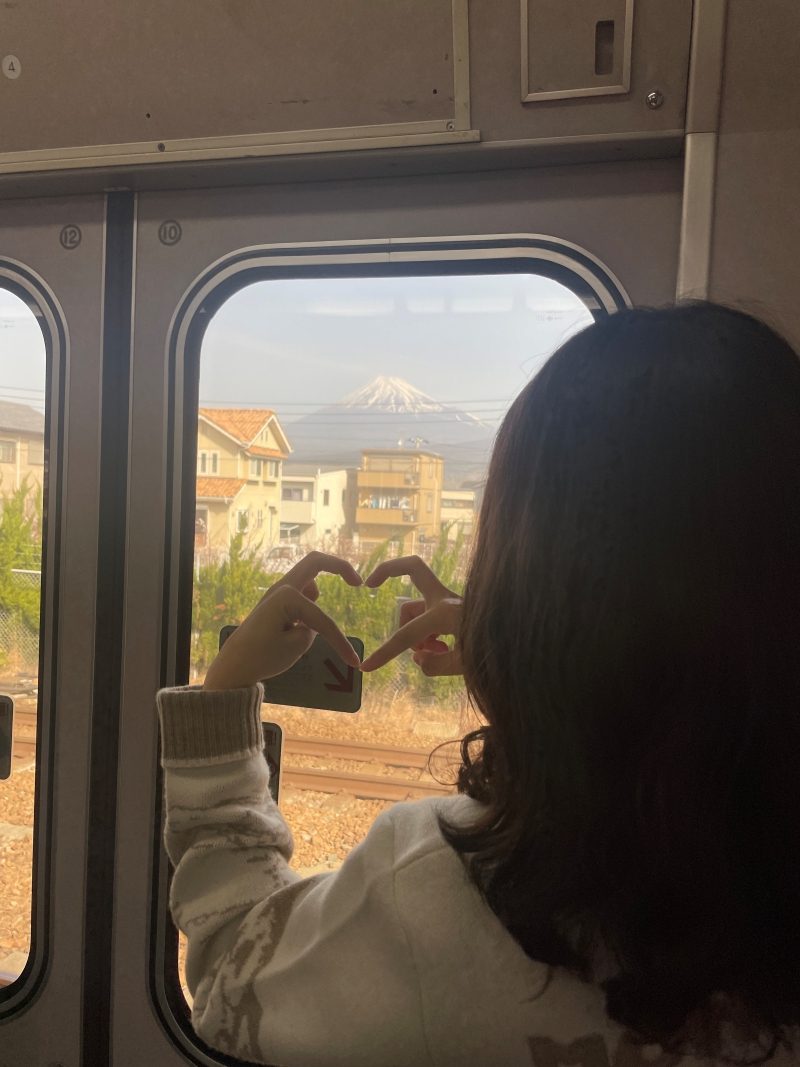
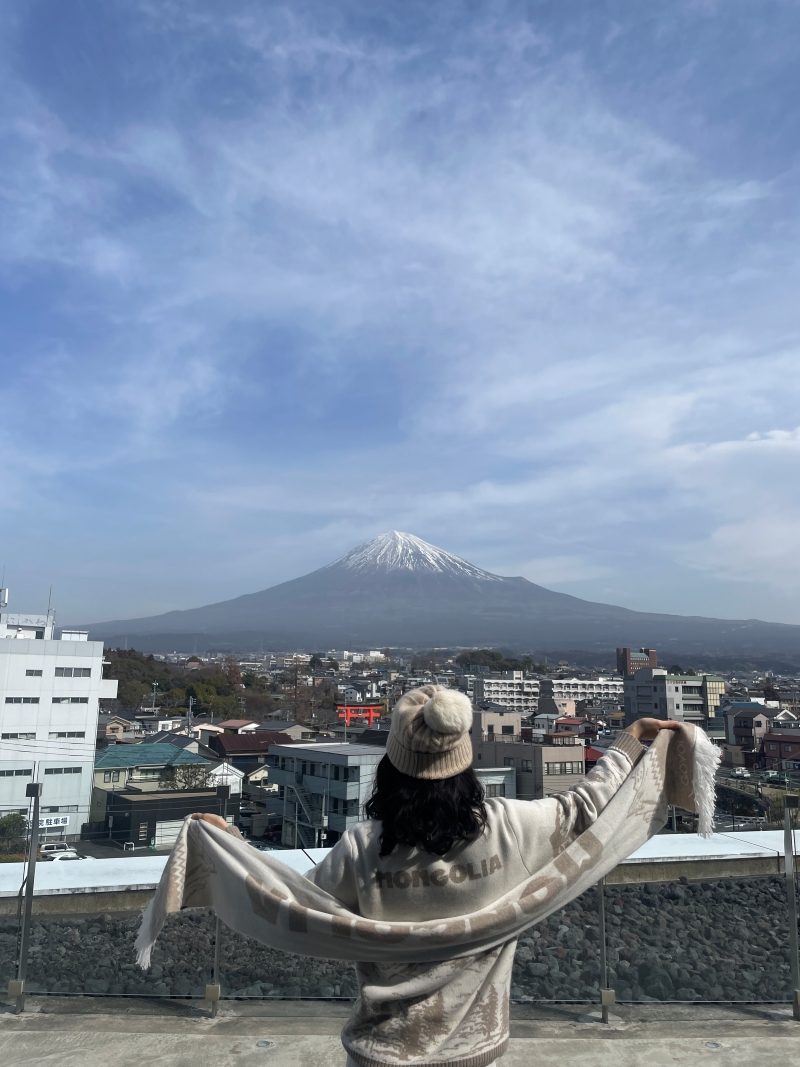
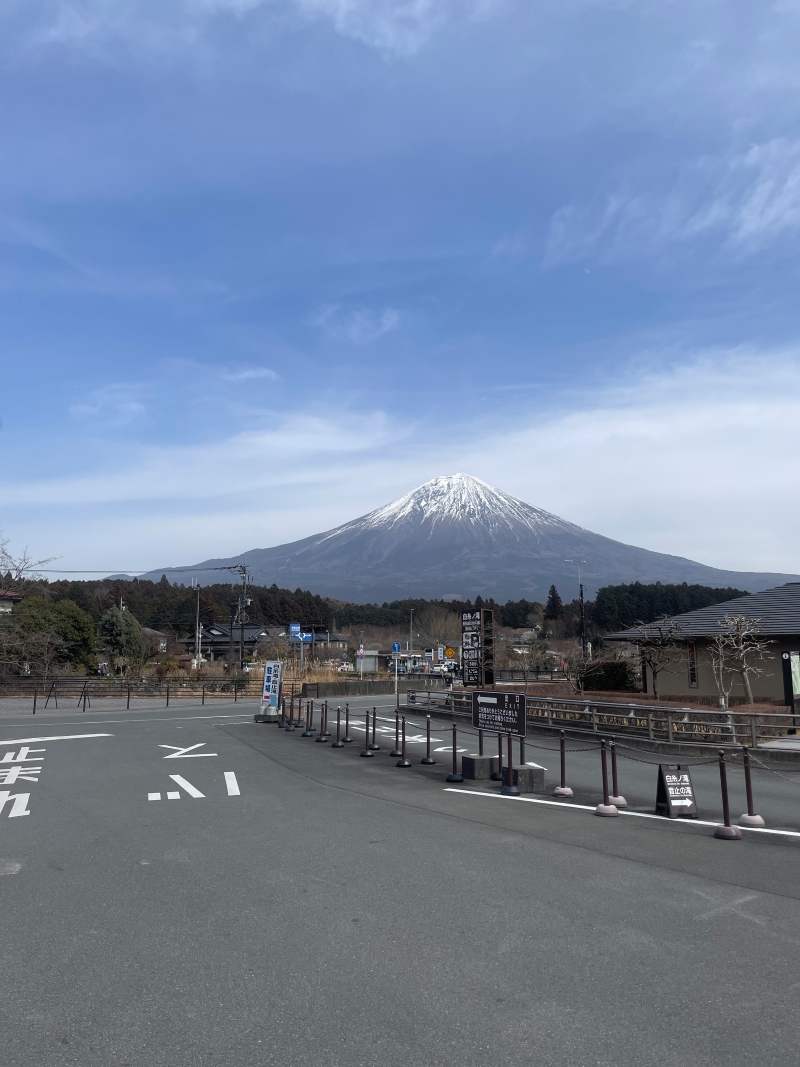
When people think of Japan, Mount Fuji is usually the first image that comes to mind. But after joining a day tour through Fuji and Shizuoka's wasabi country, I can tell you that no photograph, not even the most perfectly filtered one, does this place justice.
■ What the Tour Covers
The day is packed, but never rushed. Here's what's on the itinerary :
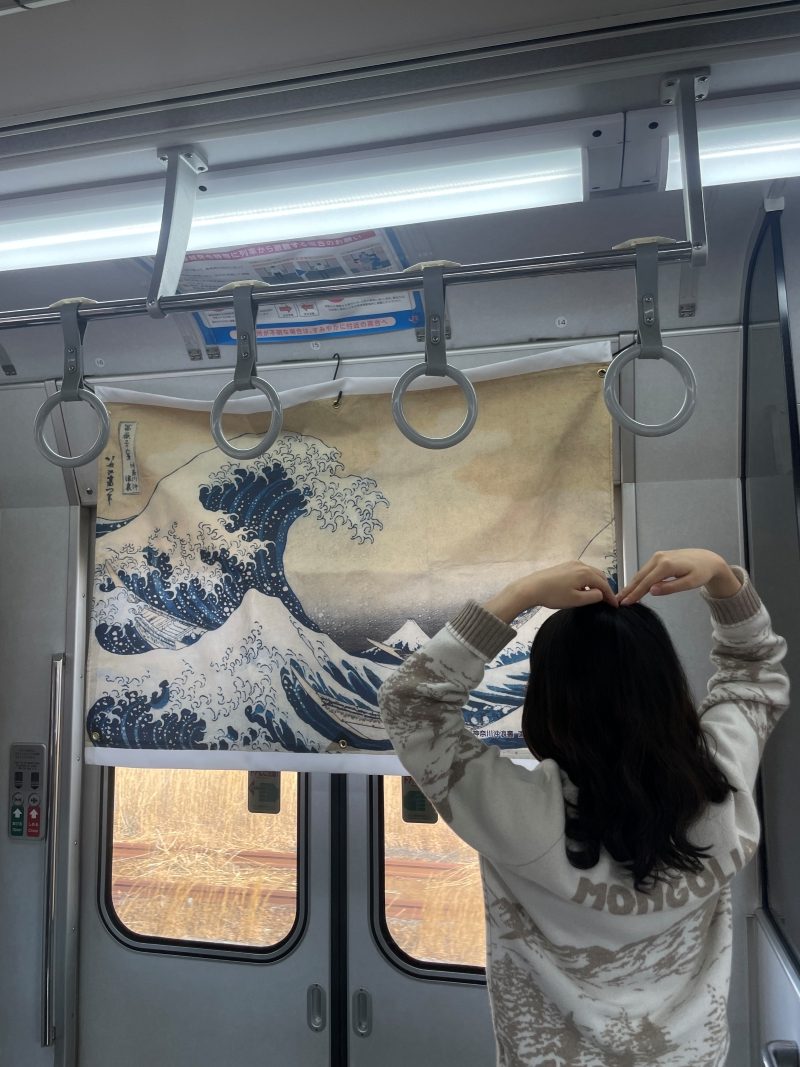
● A 45-minute ride aboard the Hokusai Special Train
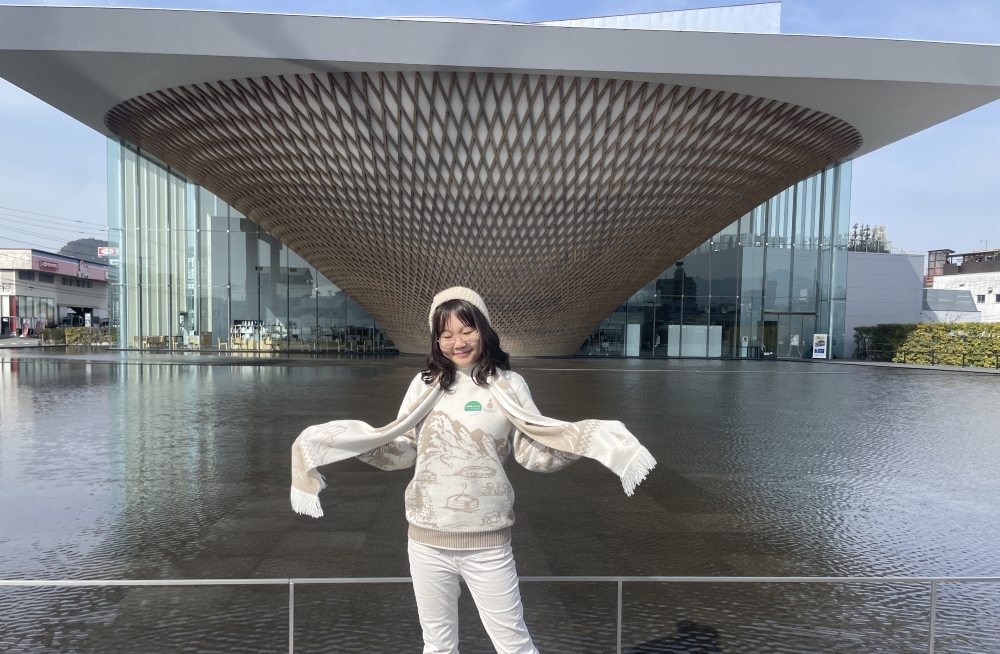
● Shizuoka Fujisan World Heritage Centre (50 minutes)
● Fujisan Hongu Sengen Taisha Shrine (20 minutes)
● Shiraito Falls and Otodome Falls (30 minutes)
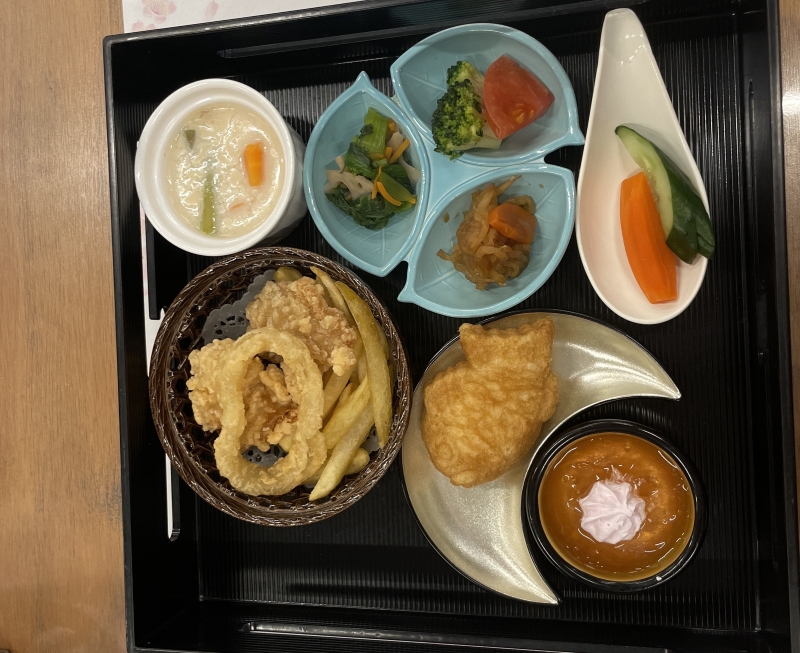
● A special lunch tailored to your dietary needs (50 minutes)
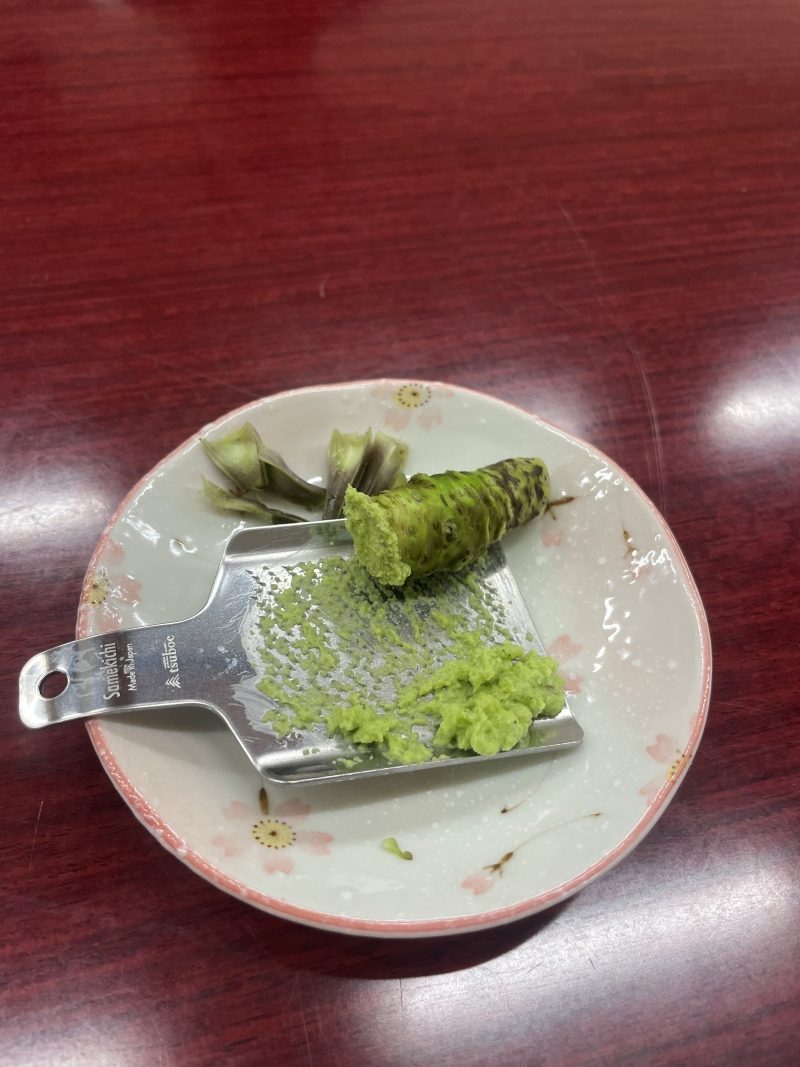
● Wasabi farm tour and grating experience (30 minutes)
※ Lunch options include Japanese set, vegetarian, Muslim-friendly, and Indian thali, a thoughtful touch that makes this tour genuinely accessible to international visitors. There's also time to pick up souvenirs at JR Mishima Station on the way home.
※ For more details, please check the official website:Mt. Fuji & Shizuoka Wasabi Farm Tour with Hokusai Special Train & Shinkansen (Round Trip from Tokyo)
■ The Moment That Stopped Me in My Tracks: Shiraito Falls and Otodome Falls
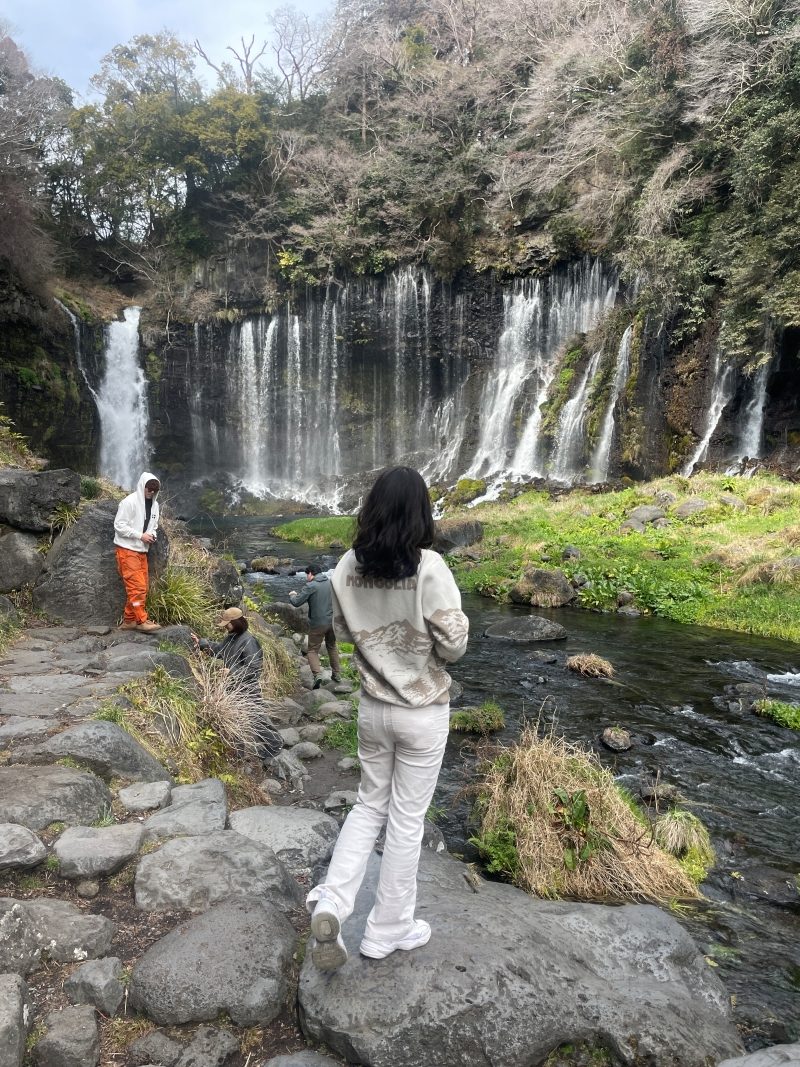
I have lived in Los Angeles. I have lived in Tokyo. I am used to pace, noise, and the particular kind of exhaustion that comes from cities that never quite switch off.
Shiraito Falls stopped all of that.
Water threads down the face of the rock in hundreds of delicate streams, less like a waterfall, more like the cliff itself is breathing. Standing in front of it, the sound fills everything. For someone whose daily soundtrack is traffic and notifications, those thirty minutes felt quietly transformative.
The souvenir shops nearby were a delightful surprise too. Fujisan-shaped sweets, hand-blown glass, local crafts, every item tied to this specific place. Coming from Los Angeles, where souvenir shops tend toward the generic, the regional specificity of Japanese gift culture genuinely charmed me. I could have browsed for hours if they have let me.
■ A Shrine That Holds a Mountain
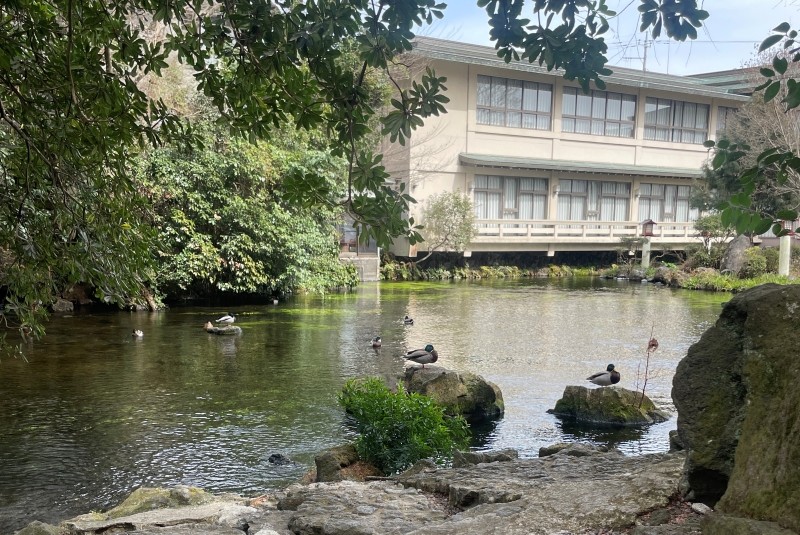
The second highlight of the day was Fujisan Hongu Sengen Taisha, and calling it simply a shrine feels like an understatement. This is one of the most important Shinto shrines in Japan, and uniquely, Mount Fuji itself is its sacred object of worship. The architecture, the sweeping curved rooflines, the hush that falls over visitors as they pass through the torii gate, it carries a weight that you feel more than see.
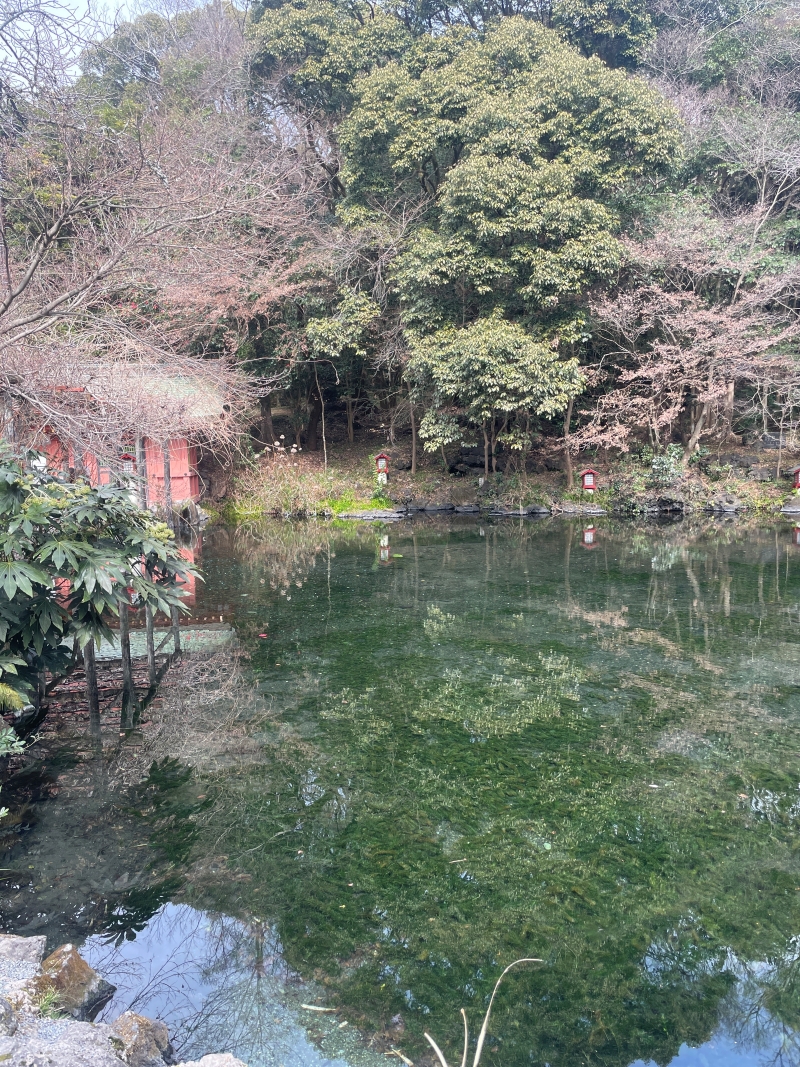
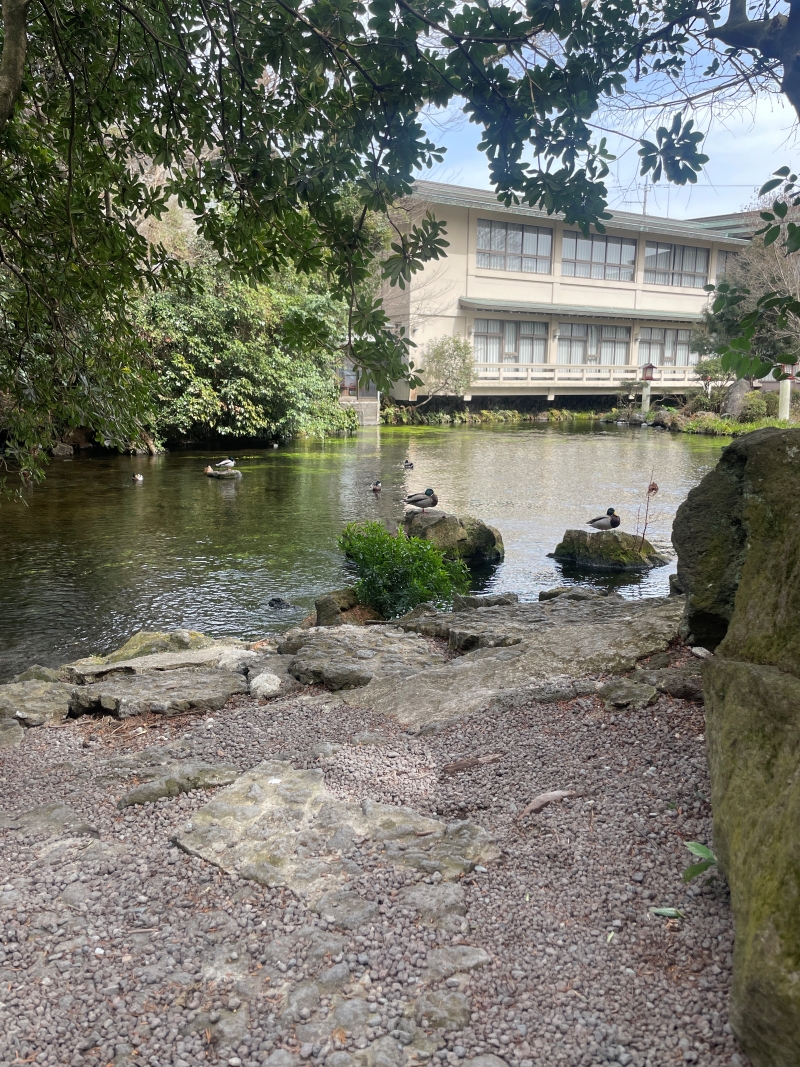
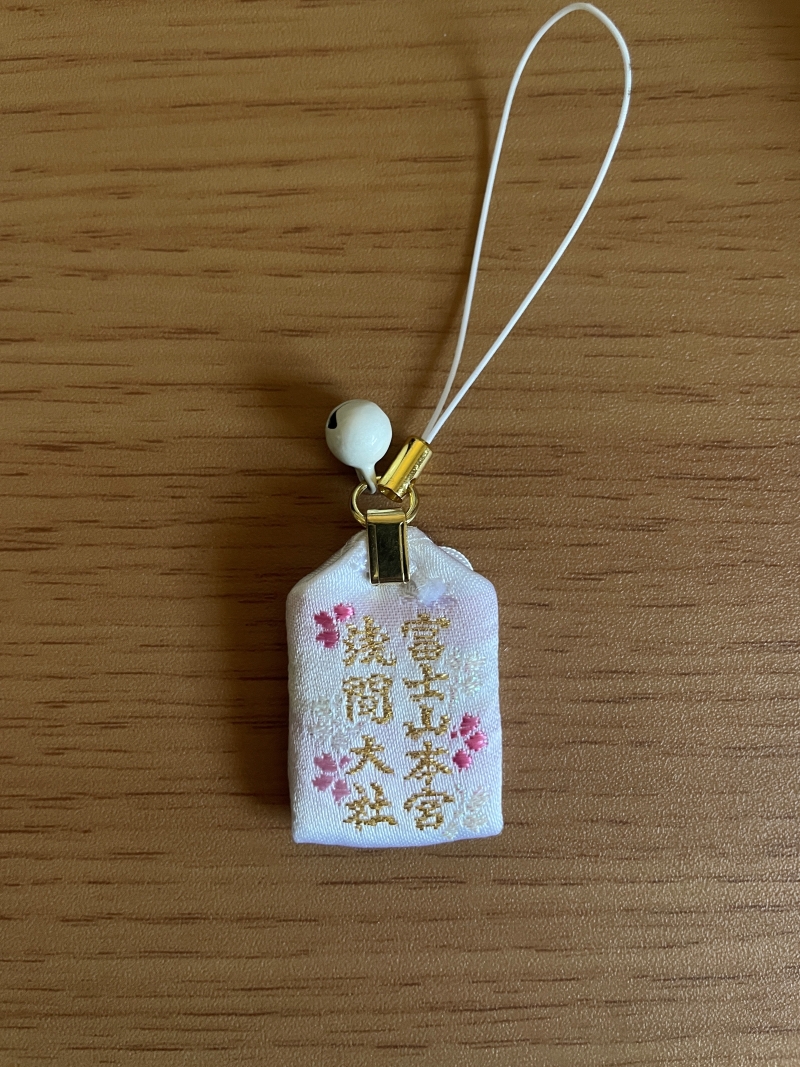
We had twenty minutes, which was honestly not enough. I collected a beautiful omamori charm and spent a quiet moment watching a pair of ducks glide across the spring-fed Wakutama Pond within the shrine grounds. If you have the flexibility to linger, do.
Before the shrine, the tour stops at the Shizuoka Fujisan World Heritage Centre, a five-to-ten minute walk away, well worth the visit if you want to arrive at the shrine with some context behind what you're experiencing.
■ The Wasabi Experience: Converting a Skeptic
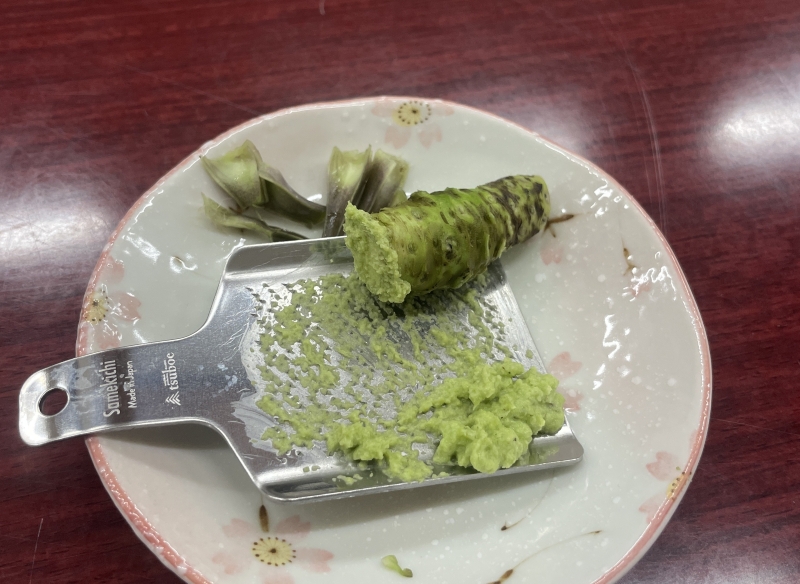
Here is something I will admit freely: I have never been a wasabi person. Too sharp, too spicy, too much.
And then I grated my own.
At the wasabi farm, we watched the cultivation process up close, the clear mountain water channels, the careful shading, the slow-growing roots, before grating freshly harvested wasabi by hand and eating it over rice. The variety we tried was Maduma, one of the rarest and most prized in Japan, known for its complex, layered heat rather than the blunt punch of the processed kind.
Something about seeing where food comes from, and making it yourself, changes your relationship to it entirely. I left a wasabi convert. I did not expect that.
■ A Few Things to Know Before You Go
Bring cash. Several stops on the tour do not accept electronic payment, and you will want to buy things, trust me.
Eat beforehand. There is a lot of ground to cover and lunch comes later in the day. A solid breakfast or a snack in your bag goes a long way.
Dress with intention. Comfortable shoes are essential, but the scenery is so genuinely beautiful that you will want to look the part in your photos.
And one final, non-negotiable recommendation: the Shizuoka green tea served on the tour. I have had a lot of tea in my life. This was the best.
■ Final Thoughts
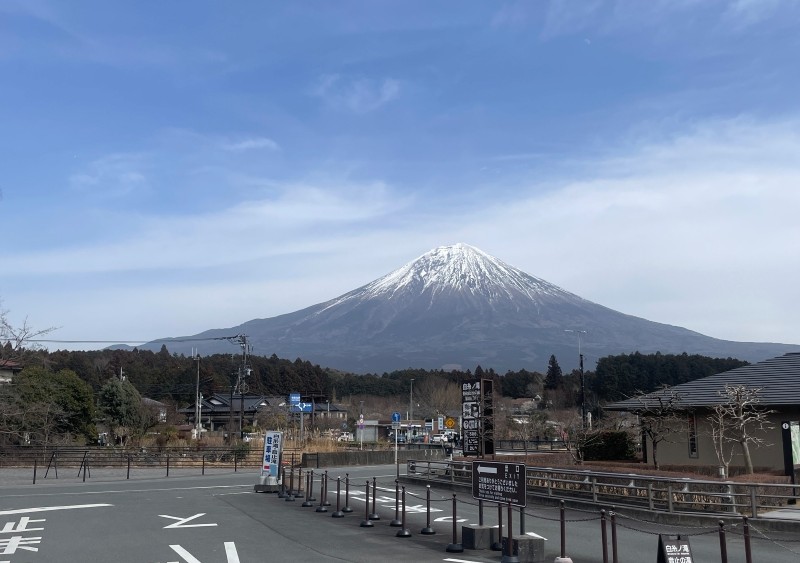
This tour does something that the best travel experiences always do: it earns your attention. Between the Hokusai train, the sacred shrine, the thundering quiet of the falls, and the unexpected joy of grating wasabi by hand, it layers nature, history, and hands-on culture into a single day without ever feeling crowded.
For anyone visiting Japan who wants to move past the surface and actually feel something, this is the day trip I would recommend without hesitation.