■ About Me
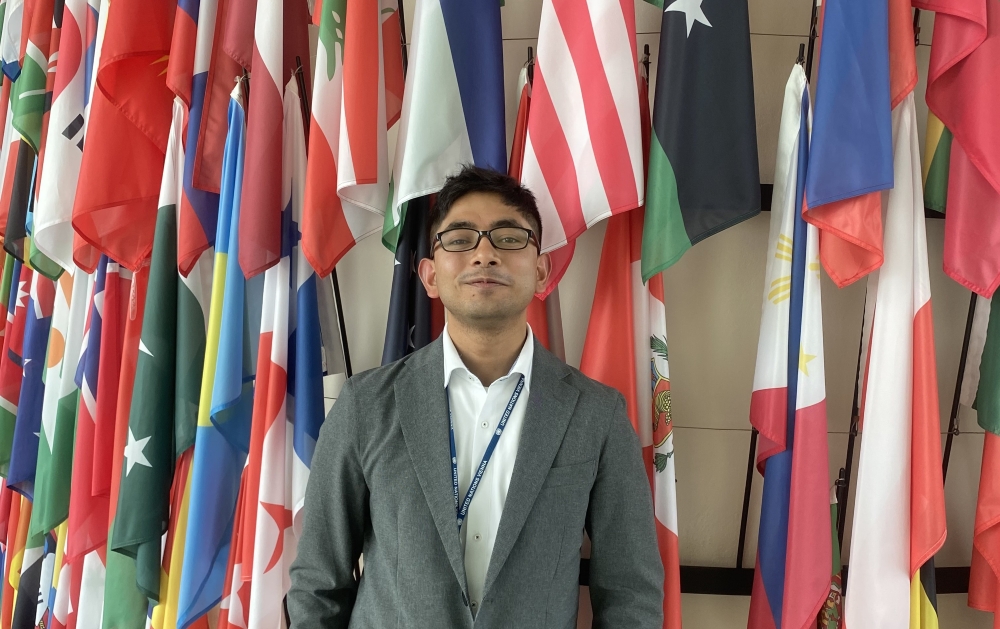
Hello. My name is Shafi, and I am from Bangladesh. I came to Japan in 2019 as an international student. Let me ask you something—have you ever traveled abroad and felt a quiet anxiety, a sense that perhaps you were not truly welcome there? A subtle discomfort that made you feel out of place?
Living in Japan for many years, I have experienced these emotions myself. So where do such feelings come from? Often, they stem from differences in culture and religious values.
As far as I know, when Japanese people travel to countries with different cultures, they rarely face situations where their faith restricts what they can or cannot do. However, for those of us who grew up in Muslim-majority regions such as Bangladesh, Pakistan, or northern India, daily life is deeply intertwined with religious practices—especially food and prayer. Even when we genuinely wish to adapt to local customs, there are moments when it becomes religiously difficult.
For example, there may be no place to pray, or no halal food available. Although halal-friendly options are slowly increasing in Japan, the choices are still limited. For travelers who take their faith seriously, this can lead to a deep sense of isolation.
That is why the one-day Mt. Fuji bus tour I joined left such a strong impression on me. It was a journey that truly cared for Muslim travelers—and allowed me to relax and enjoy Japan with peace of mind. Today, I would like to share this experience with you.
■ A Gentle Beginning: The Morning When My Anxiety Melted Away
• Meeting time: 7:20 AM
• Departure: 7:30 AM
• Location: Bus stop in front of Takanawa Gateway Station
• Highlight: A prayer space available at the bus stop
The greatest appeal of this tour is the thoughtful consideration given to Muslim participants, especially ensuring adequate time and space for prayer. When I arrived at the bus stop in front of Takanawa Gateway Station, I was surprised to find that a prayer space had been prepared right there.
At that moment, I felt the tight knot of anxiety in my chest gently loosen.
As I mentioned earlier, one of the most stressful parts of traveling is searching for a place to pray—often feeling alone and uneasy in unfamiliar surroundings. On top of that, the tour guide spoke fluent English and carefully explained the history of the Fuji area, Japanese perspectives on religion, and the country’s unique relationship with nature. Thanks to this, I was able to begin the journey feeling truly at ease.
Note: The prayer space at the bus stop can also be used after the tour ends.
■ The Magic of 20 Seconds: Encountering Mt. Fuji

・ FUJIYAMA Twin Terrace
・ Arrival: 10:00 AM
・ Stay: 60 minutes
・ Highlight: Feeling the presence of Mt. Fuji with your whole body
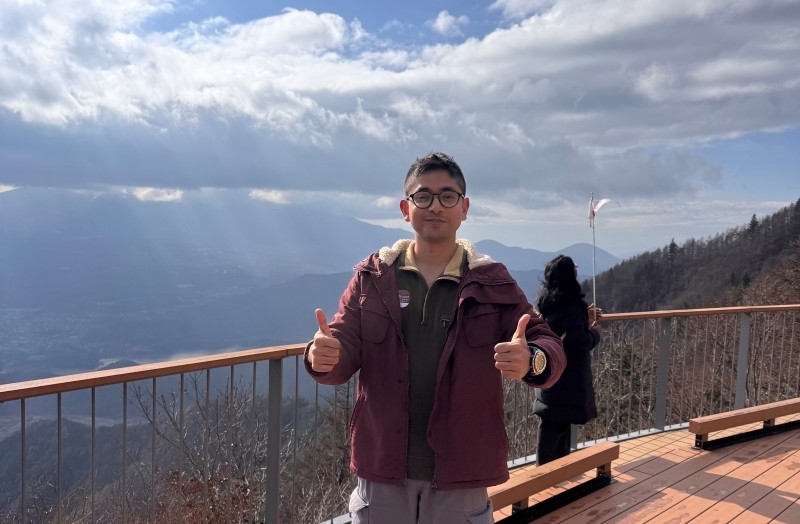
Our first destination was FUJIYAMA Twin Terrace. The journey from Takanawa Gateway took about 150 minutes, during which I listened to the guide’s stories while gazing out the window.
Suddenly, the guide announced, “Mt. Fuji will appear on the right side in about 20 seconds!”
Everyone turned toward the window, silently counting in their hearts—five, four, three, two, one…
In the very next moment, as if by magic, Mt. Fuji appeared—grand and majestic, draped in snow. At first, people excitedly raised their cameras, but soon even the most enthusiastic photographers fell silent, overwhelmed by its beauty.
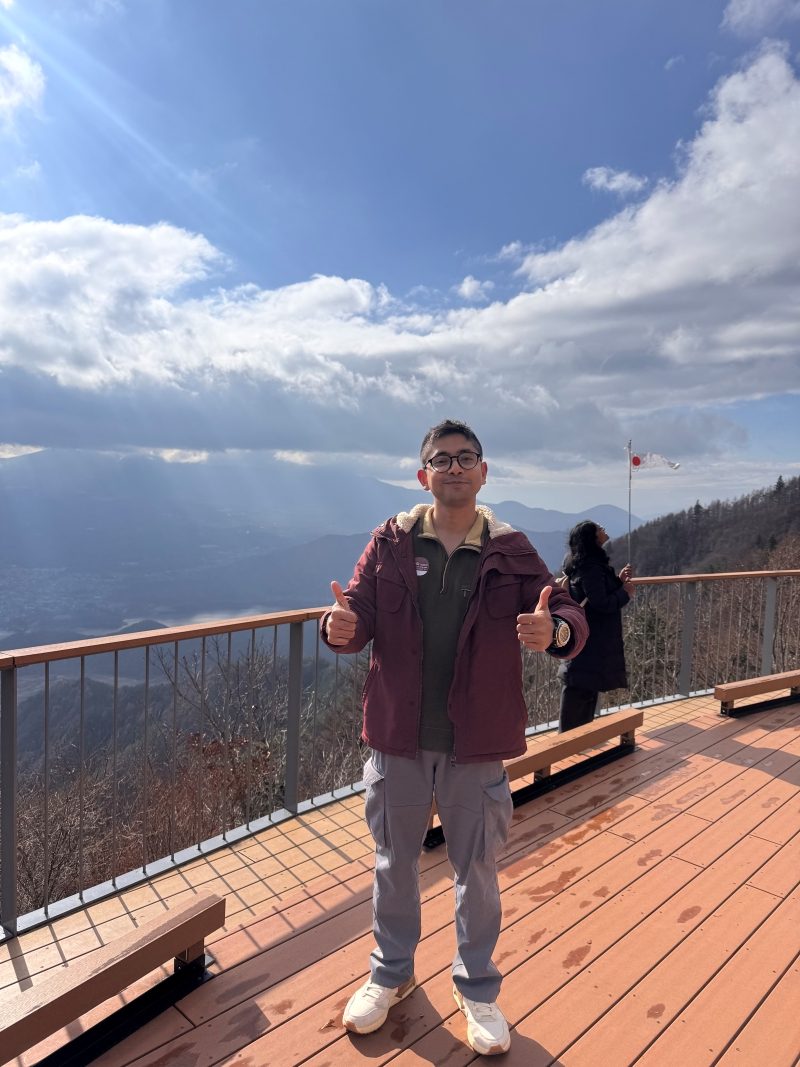
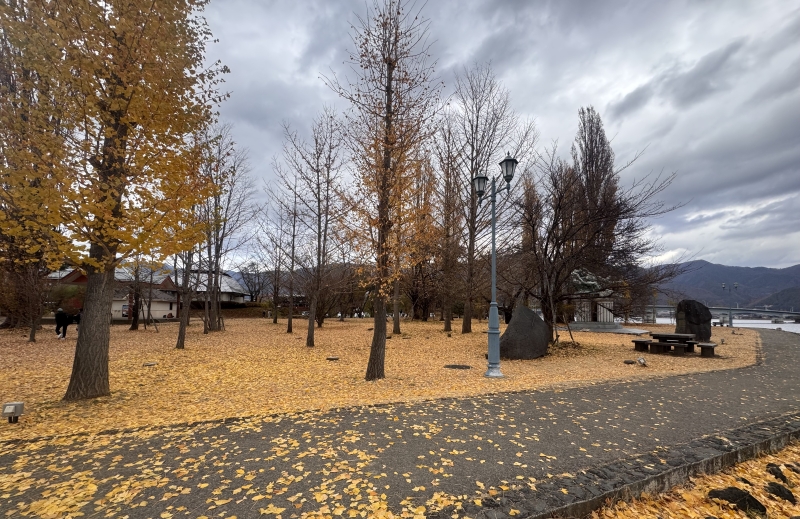
When we arrived at the Twin Terrace, Mt. Fuji itself was unfortunately hidden behind clouds that day. Yet, as Lake Kawaguchi and Lake Yamanaka shimmered like jewels under the sunlight, and the towns of Yamanashi stretched out below us, I could still feel Mt. Fuji’s powerful presence beyond the clouds.
■ A Gentle, Healing Time at the Only Mosque in Kawaguchiko
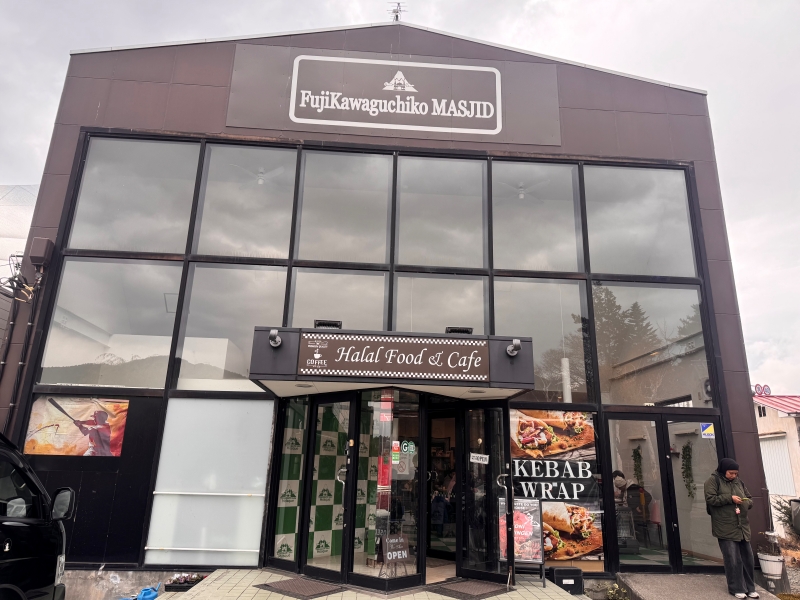
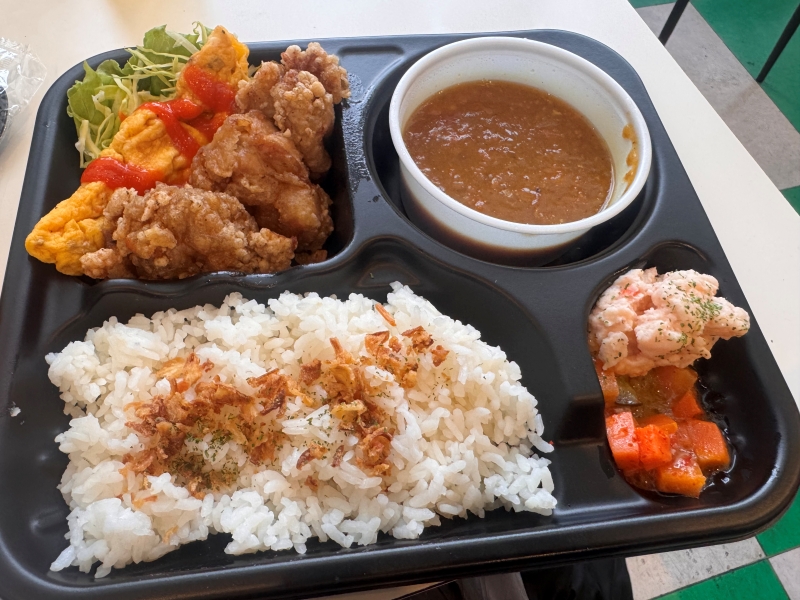
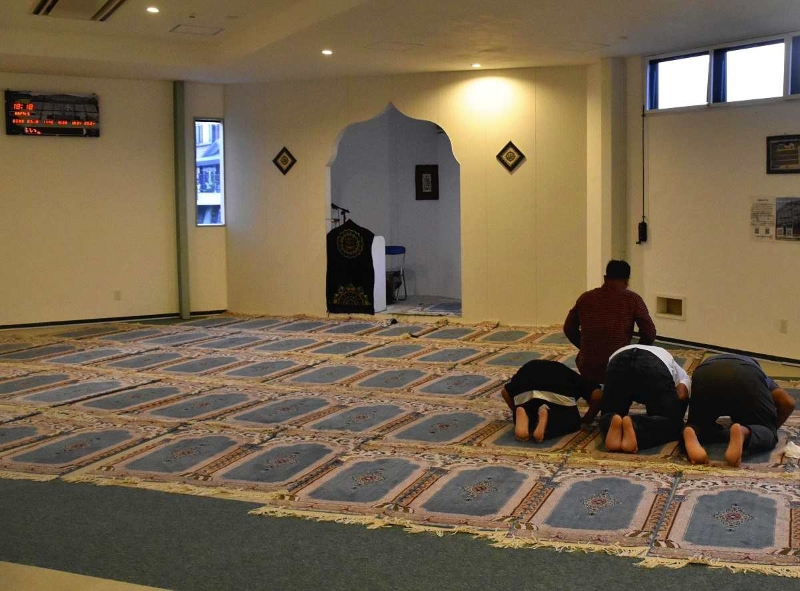
・ Fuji Kawaguchiko Masjid
・ Arrival: 11:30 AM
・ Stay: 75 minutes
・ Highlight: Halal meals and prayer in a beautiful natural setting
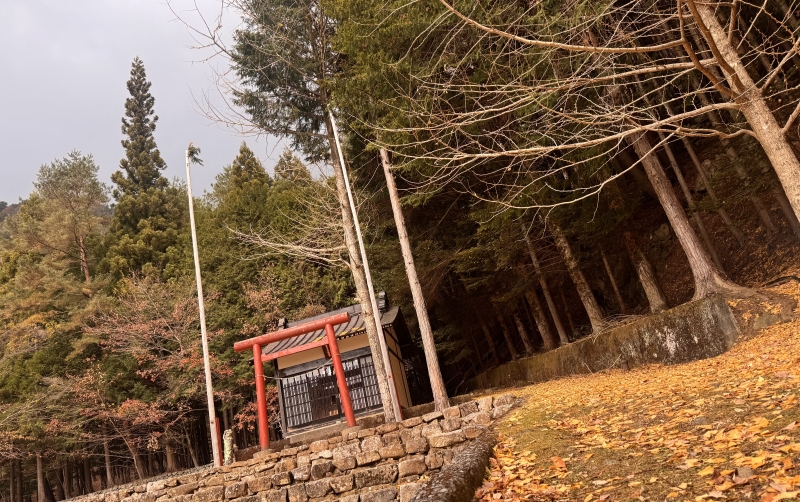
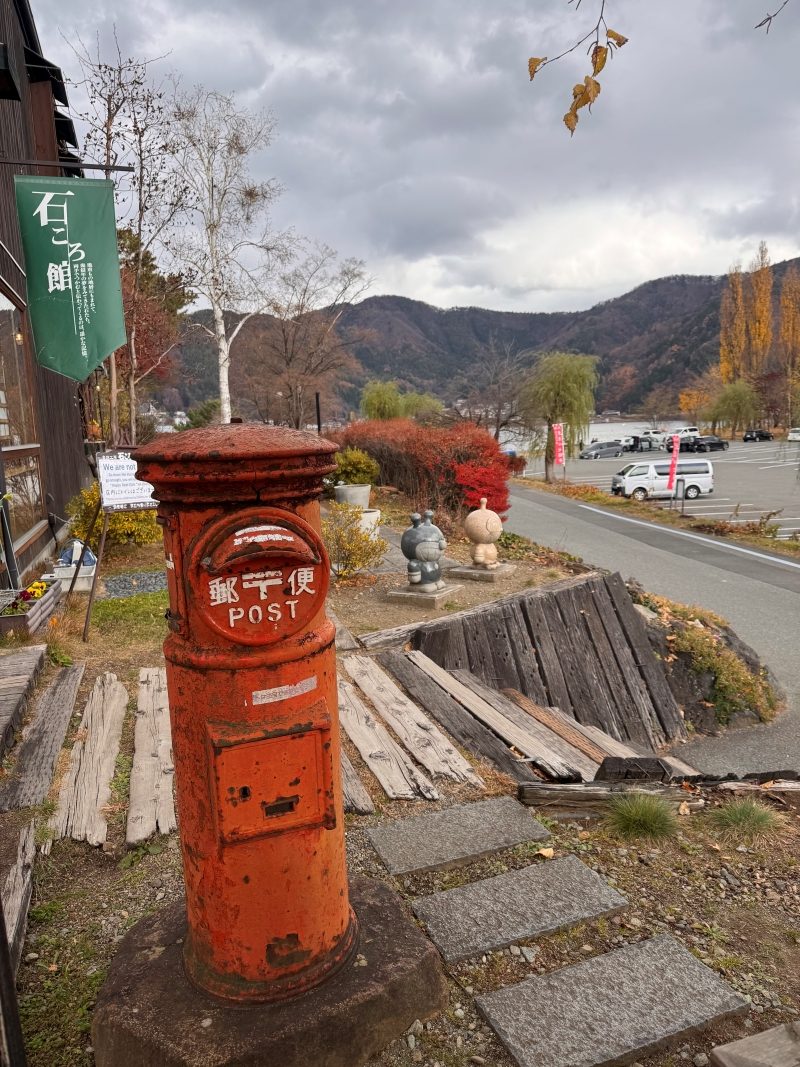
About 30 minutes after leaving the Twin Terrace, we arrived at the Fuji Kawaguchiko Masjid, the only mosque in the area. The mosque is located within a building that also houses a halal-certified café, just steps away from Lake Kawaguchi.
We were pleasantly surprised by how convenient and scenic the location was. Looking at the café menu, we found a wide variety of halal dishes—curry, biryani, pasta, pizza, and more. Although we had a pre-arranged halal bento lunch instead of ordering from the café, the meal was wonderfully satisfying: fried chicken, egg dishes, salad, and curry, each comforting and flavorful enough to melt away the fatigue of travel.
After lunch, we moved to the mosque itself. Inside, the space was clean, spacious, and well-equipped for Muslim prayer. For Muslim travelers, having a safe and welcoming place to pray while traveling is incredibly reassuring. Watching people pray in this calm, warm space filled my heart with peace.
■ A Quiet Place Where Tradition and Nature Intertwine
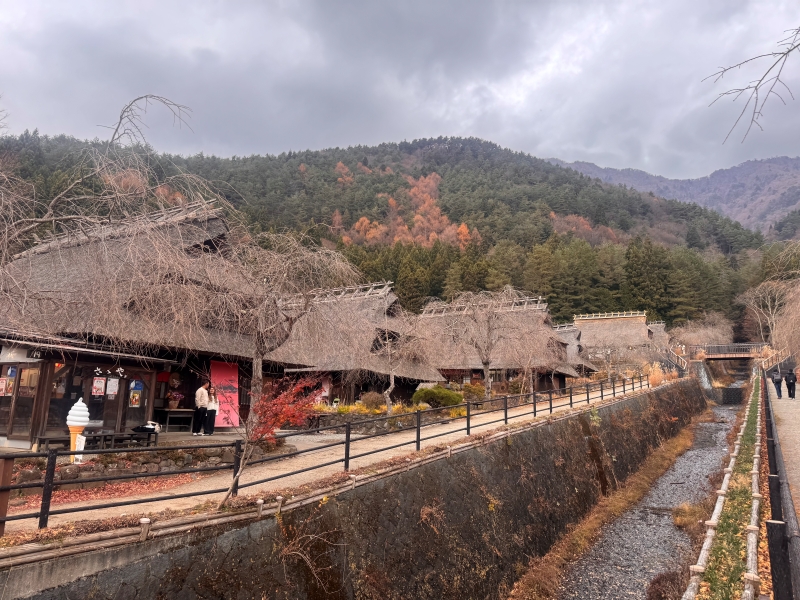


・ Saiko Iyashi-no-Sato Nenba
・ Arrival: 1:20 PM
・ Stay: 90 minutes
・ Highlight: Cultural experiences, halal food, and prayer-friendly spaces
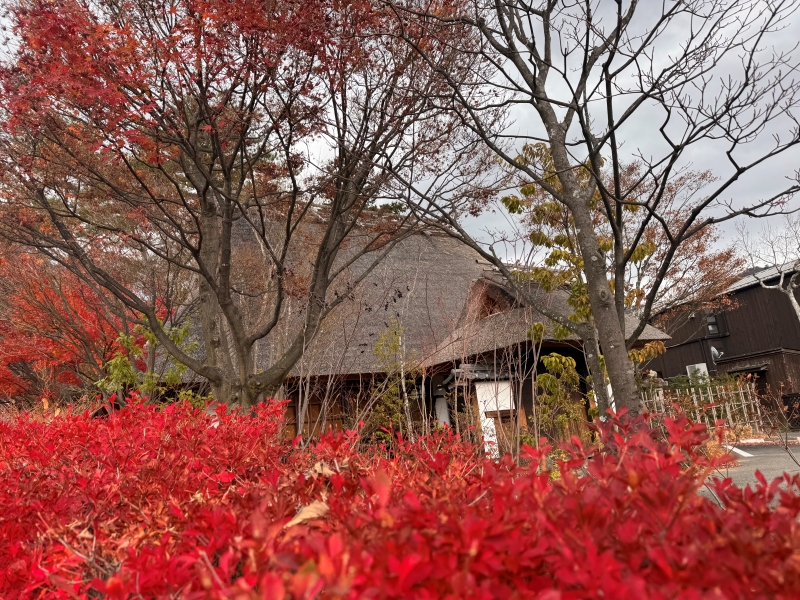
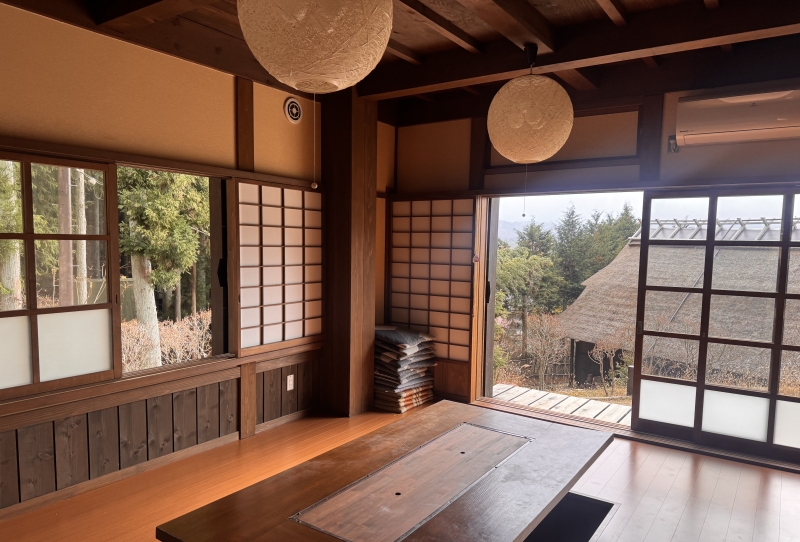
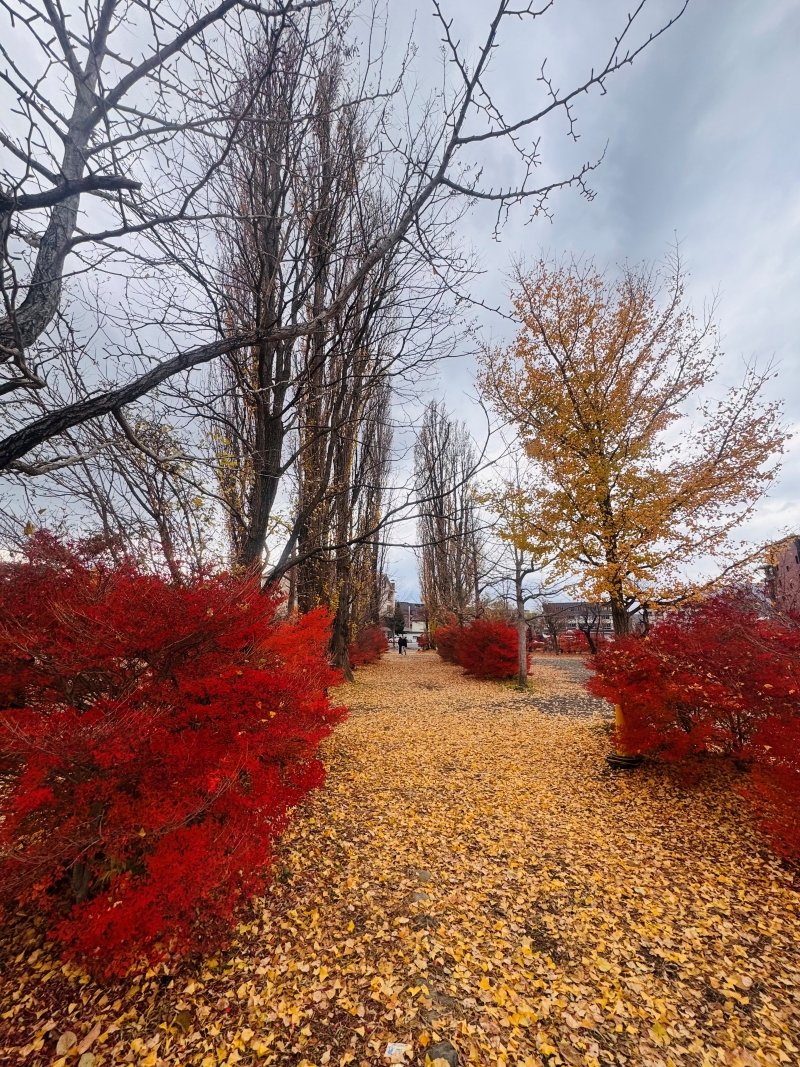
Thirty-five minutes after leaving the mosque, we arrived at our final destination—Saiko Iyashi-no-Sato Nenba. The first thing that caught my eye was the breathtaking sight of traditional thatched-roof houses, neatly arranged along the mountainside like a living painting of old Japan.
This village was once devastated by a typhoon and landslide, wiping out much of the community. Thinking about the sorrow hidden behind this tranquil scenery made my chest tighten. Yet, learning how local residents and supporters worked together over many years to restore the area as an open-air museum, I felt a profound sense of resilience and pride woven into the landscape.
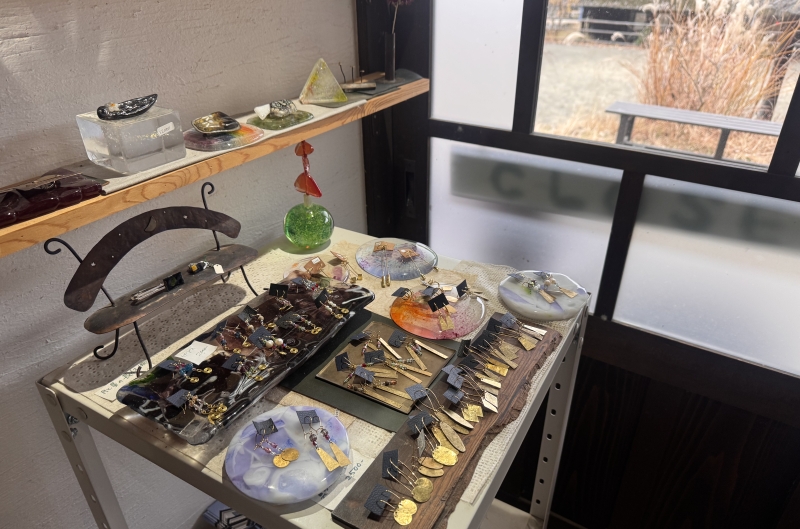
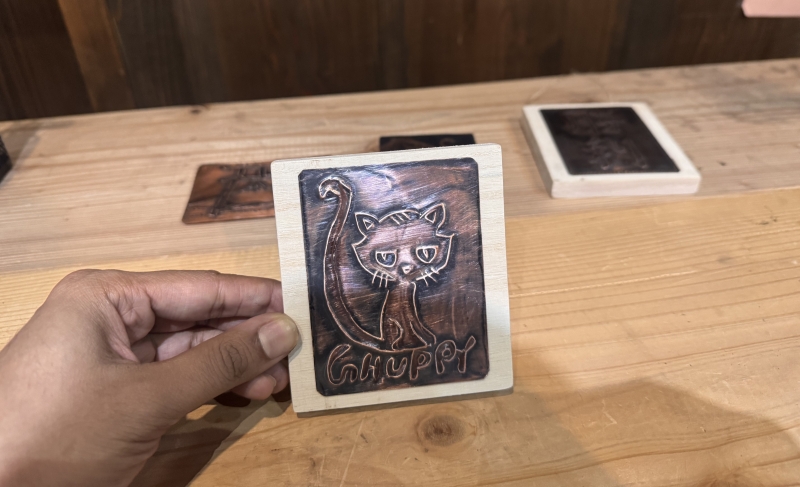
As I walked through the village, I discovered opportunities to experience traditional crafts and cultural activities, including pottery and kimono dressing. I chose to try hera chōkin, a traditional metal engraving technique, and created a small ornament featuring a cat. Though modest in size, it carried the warmth of something made by my own hands—a treasure that holds my memories of this journey.
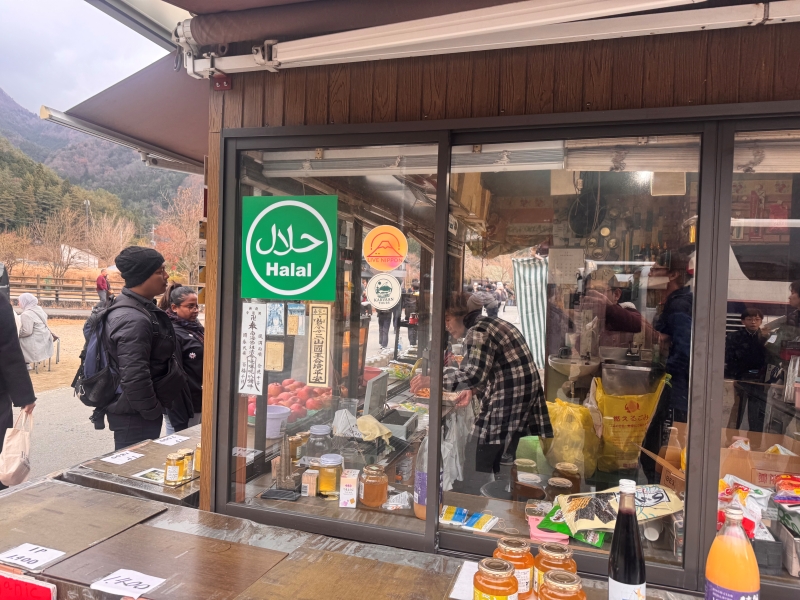
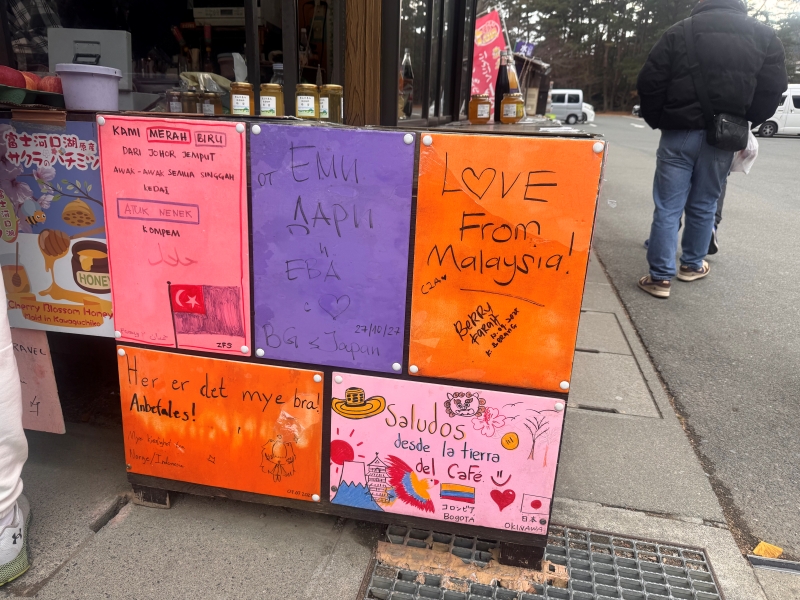
What touched me most was noticing that two shops in the village offered halal options. In the lively atmosphere of a popular tourist destination, this quiet consideration for Muslim visitors felt beautifully natural. Watching people smile as they enjoyed their snacks, I felt deeply that this is a place where everyone can feel happy and welcome.
■ What I Realized on the Way Back
On the return bus to Takanawa Gateway Station, I noticed something meaningful. The guide carefully asked participants for their impressions and diligently took notes. In that moment, I knew—from the bottom of my heart—that joining this tour had been the right decision.
■ Conclusion
This journey was not just about enjoying breathtaking nature, beautiful culture, or delicious halal food. It was about discovering a place where I could remain true to myself—my faith, my values—while experiencing Japan with calm and joy.
The thoughtful guidance, sustainable approach, and genuine care shown throughout the tour created an experience that truly embraced each traveler. Seeing Mt. Fuji, walking through a traditional village, and having time to pray in peace turned this trip into an irreplaceable memory.
If you are seeking a journey filled with warmth, reassurance, and quiet discovery, I wholeheartedly invite you to experience this tour for yourself.
※ For details about the Mount Fuji day-trip bus tour for Muslims, please visit the official website.
URL: https://www.sunrise-tours.jp/en/plan/detail/130SUETA008JG077S
FUJIYAMA Twin Terrace


Fuji Kawaguchiko Masjid
Saiko Iyashi-no-Sato Nenba