

■ Introduction
Hello, my name is Samantha Nichols and I am from Canada. I've been living in Tokyo for three years, and I am fascinated by the traditional arts in Japan. Recently, I've been taking shamisen lessons as a way to better immerse myself in Japanese culture.
What is the shamisen you may ask? Well, the shamisen is an instrument that, with only three strings and a large pick called a bachi, you are able to express the Japanese sensibilities of "wabi," "sabi," and "ma" through sound. Wabi-sabi as it is more commonly known in the west is the acceptance of imperfection and impermanence, allowing practitioners to find beauty in flaws and in the natural cycle of life. Therefore, by regularly attending lessons, I am gradually coming to better understand Japanese culture through the shamisen.
In a similar vein, I decided to participate in a tour of Echizen, a city in Fukui Prefecture, where traditional artisans reaffirm how closely nature and craft are woven together in Japanese everyday life. Some examples of this are the rolling patterns of Jomon pottery, the mystical architecture of shrines and temples, or ukiyo-e prints depicting the natural world.
Therefore, I would like to introduce Echizen City to you, as a place where traditional arts are still practiced and passed down; readily accessible to those wanting to learn about unique Japanese culture.
■ What kind of place is Echizen City?
・Echizen is a region of Japan where the country’s leading crafts people gather. It is known as the "city of craftsmen". " Washi", or Japanese paper, has a history of approximately 1,500 years in the area, making it one of the oldest producing regions in Japan. While "Echizen Uchihamono", is a type of knife made from ancient forging and hand finishing methods, with a history of approximately 700 years. Through the preservation of these techniques, these knives produced are highly regarded by chefs around the world. "Echizen-yaki," is a type of pottery that has been produced since the late Heian period (approximately 850 years ago), which is why Echizen is considered one of the Six Ancient Kilns of Japan.
・A region where you can experience the "quintessential Japanese landscape" throughout the four seasons. Echizen City is a town where nature, tradition, and daily life are integrated, embodying the essence of Japan. From cherry blossoms in full bloom and charming castle towns to snow-covered streets and traditional crafts showcasing the skills of artisans, you can experience a diverse range of Japanese charms throughout the four seasons.
Echizen City also offers an array of cuisine due to its diverse geographic landscape. With the Sea of Japan to the west, and mountains running along the east of the city, local delicacies like "Echizen crab”, "Echizen soba", and sake; made with local spring water, are absolutely delicious and a must try on your visit.
■ Recommended Place ①"Igarashi Seishi"Echizen Washi Traditional Workshop: Experience the Art of Handmade Japanese Paper
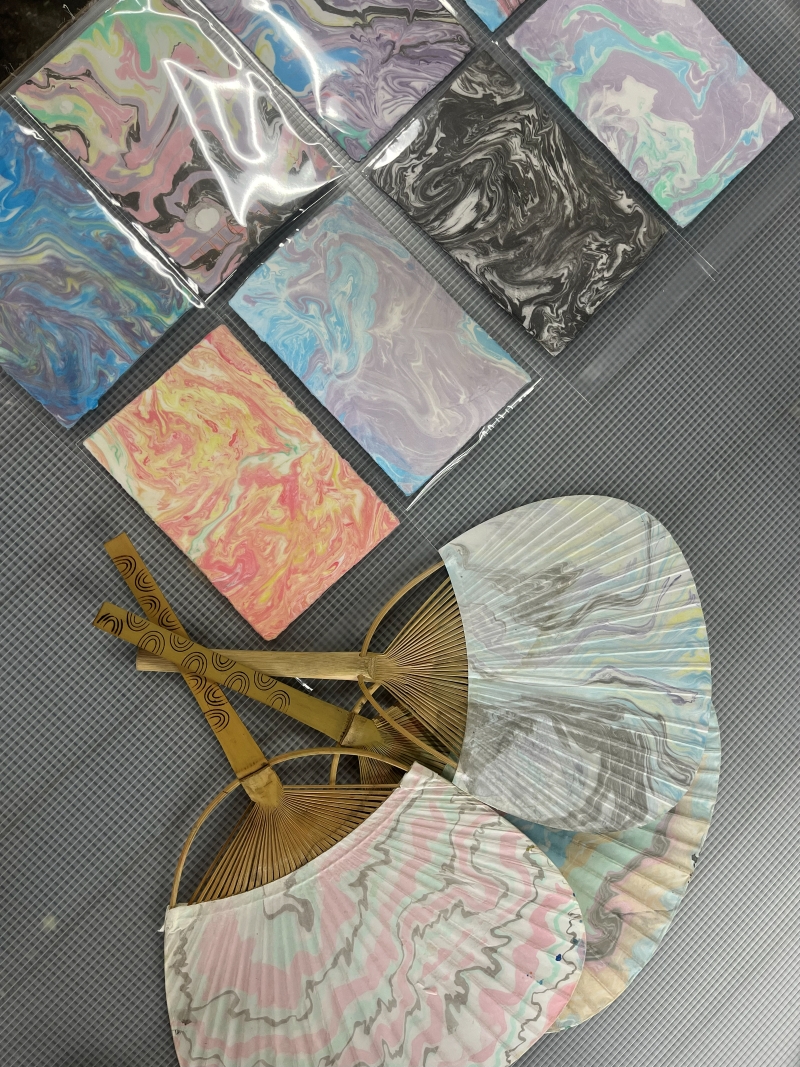
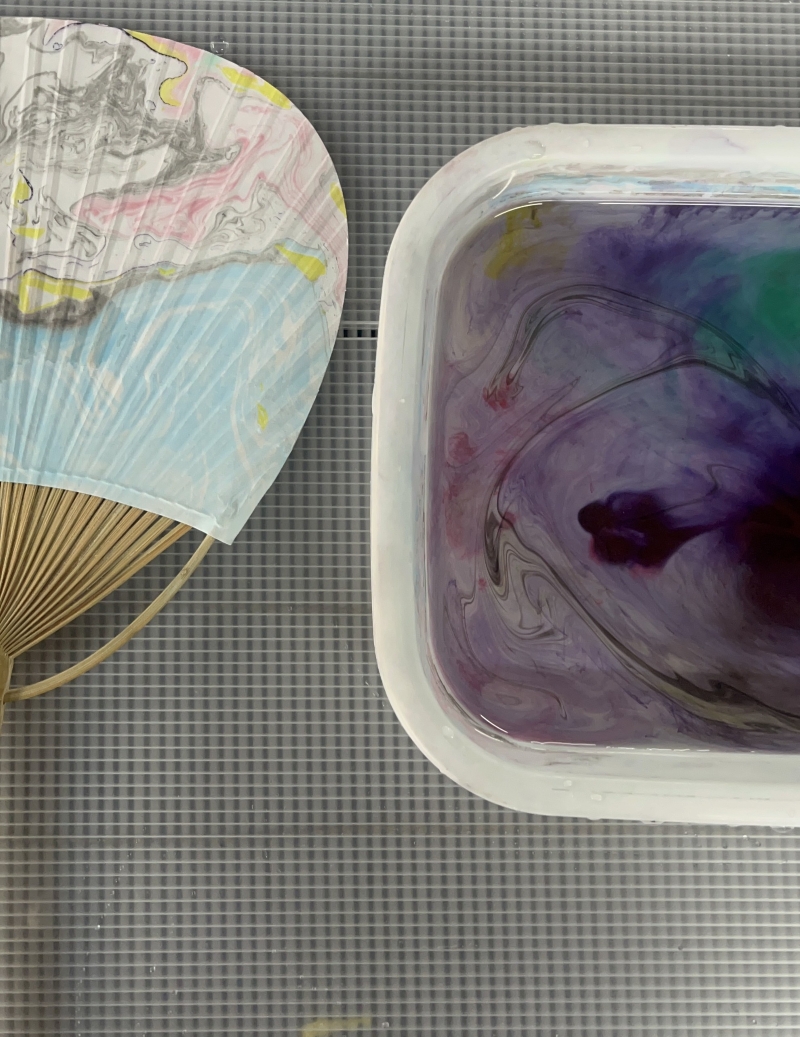
Igarashi Seishi is a family-run, washi making artisanal business with a history of over 100 years. While visiting their workshop, we were able to learn about the plants and fibers used to make paper, as well as the techniques they have passed down through the generations. Igarashi Seishi has also developed a new type of washi called "Food Paper," which reuses food waste. I was deeply impressed by the unique colours produced by food like persimmon and potato, as well as the thoughtfulness put into their sustainability practices.
During our visit, we were challenged to try "suminagashi”, a washi technique that I had been looking forward to seeing on this tour. By dabbing paint brushes coated in a mixture of oil and ink onto the surface of water, we were able to create unique marbled designs. The difficult part was attempting to gently place the washi onto the image, in order to transfer the pattern onto the paper. You must be quick so that your paper doesn’t sink into the water - which mine did - but thankfully the staff were able to quickly dry the paper. By the end of the workshop, I left with two postcards!
It was a very enjoyable experience.
■ Recommended Place ②Fukui Ceramics Museum:Where You Can Enjoy the Charm of Echizenware Through All Your Senses
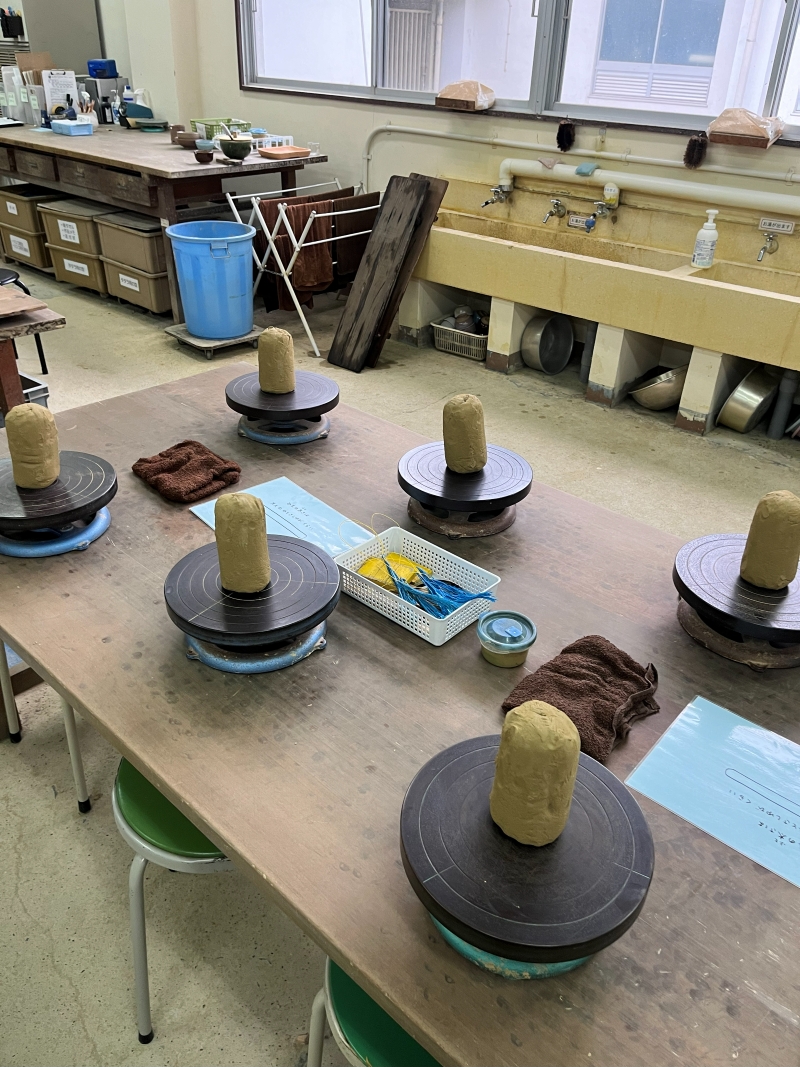
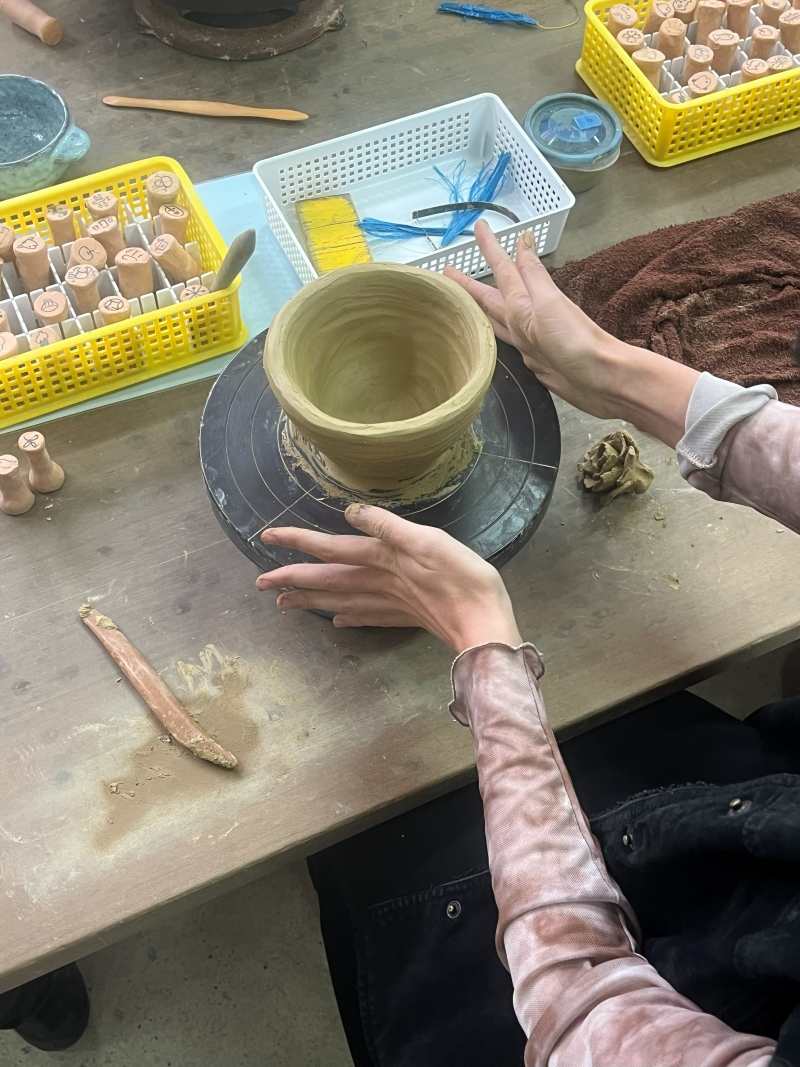
At the Fukui Ceramics Museum, you can admire antique Echizenware up close, as well as endeavor to make your own pottery using hand-building techniques.
Since I had some experience with pottery, I decided to make a tea bowl, however some people in our group challenged themselves to create unique pieces like a dragon-shaped figurine (for context, Fukui is represented by the Pokemon: Dragonite). I started by shaping a base on a small manual pottery wheel. Then I used the remaining clay to create long narrow cylinders to build the walls of the bowl. I felt like I was in art class again and it was a very relaxing and unique way to spend an afternoon.
■ Recommended Place ③"Urushi no Sato Kaikan": Where You Can Experience the Beauty and Intricacies of Echizen Lacquerware
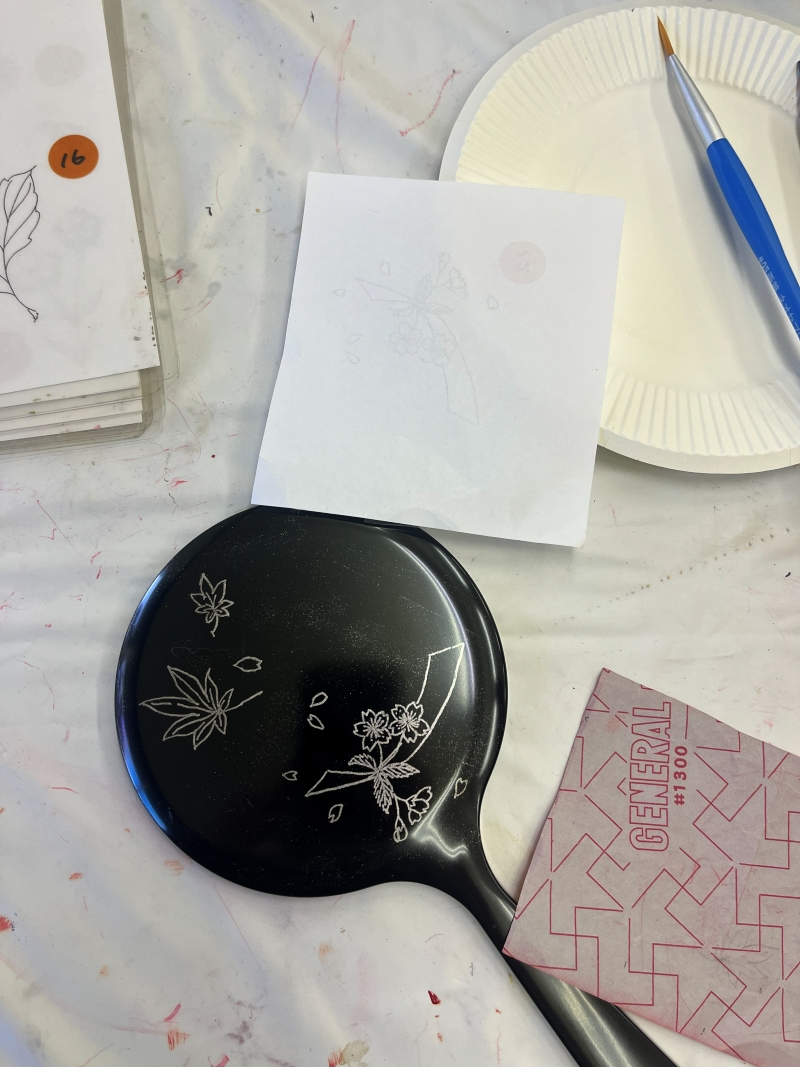
"Urushi no Sato Kaikan" is an experiential facility where you can see, touch, and learn about Echizen lacquerware. The craft itself boasts a history of approximately 1,500 years due to the lacquer trees that grow in the region. Although we weren’t able to observe the production process, we did enjoy painting on lacquered items using traditional techniques.
Before visiting Urushi no Sato Kaikan, I decided to challenge myself to paint without a design. However, after briefly learning how delicate one must be with even the paintbrush, I lost my nerves.
Thankfully the workshop had stencil sheets with various patterns such as flowers and mascot characters, which assisted in the development of my design. The photo above is of the back of a hand mirror that I stenciled. What do you think?
■ Recommended Place ④“Takefu Knife Village”:Discover the Craftsmanship of Echizen Blades
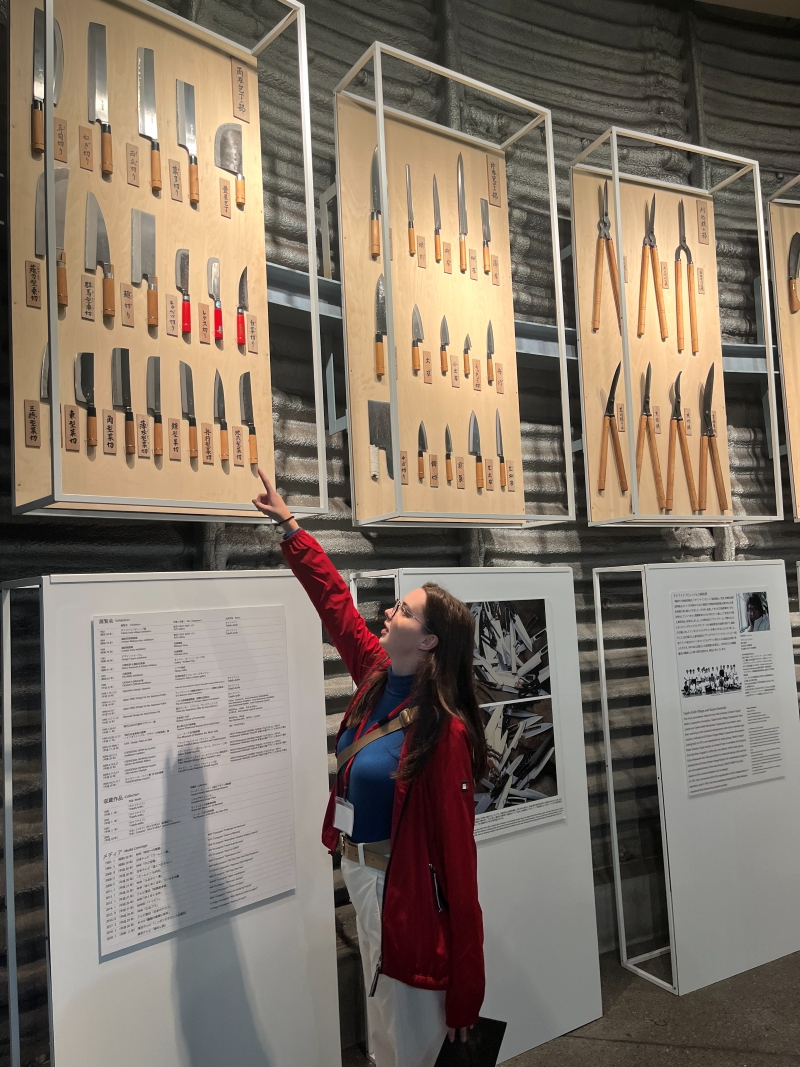
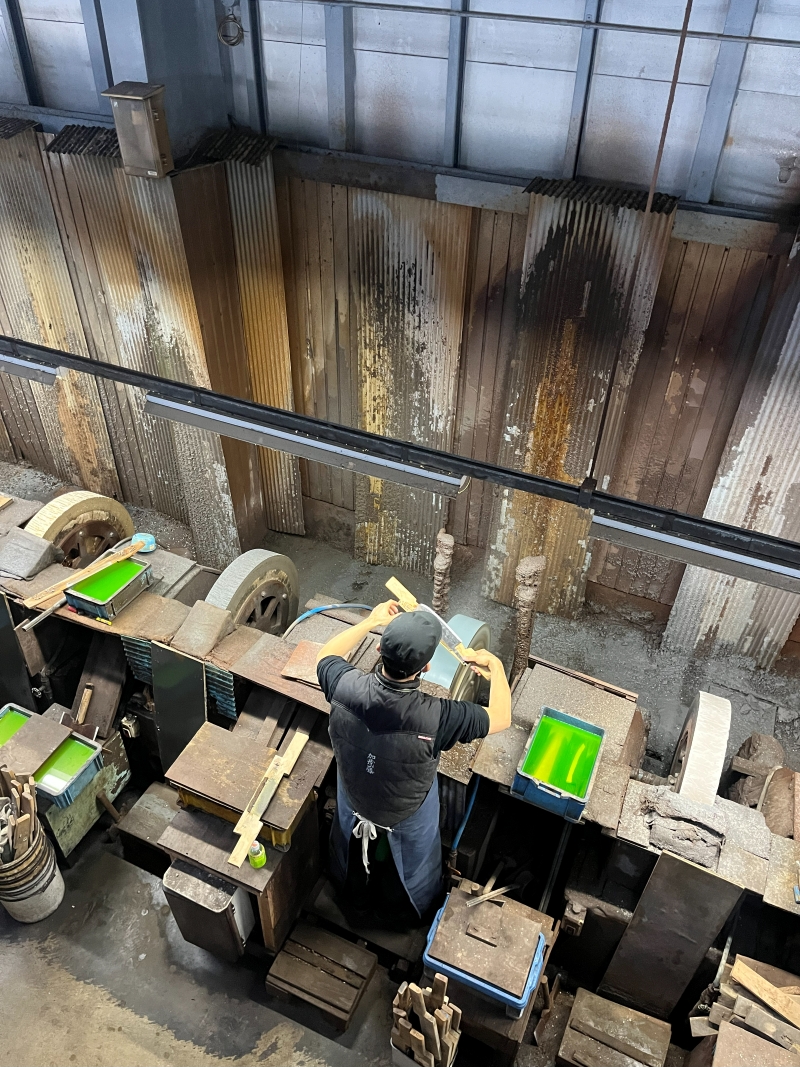
The Takefu Knife Village showcases the unique history of Echizen knives due to the foundation of the Takefu Forged Blade Industry Study Society. From 1973 until 1983, this group developed 17 new knife products which were displayed both in Tokyo and abroad. This worked to revitalize the Echizen brand and garnered new interest in continuing the forging practices.
Nowadays, you can observe these traditional forging techniques and the knife-making processes, as well as experience making your own knife under the guidance of a craftsman. Although I wasn't able to participate in the "Double-Edged Knife Making Class”, the "Small Deba Knife Sharpening”, or the "Double-Edged Knife Sharpening" workshops, I was able to hear about the stories and the history of Echizen cutlery during their factory tour.
■ Recommended Gourmet Food in Echizen City
While traveling in Japan, it is essential to savour delicious local cuisine. During my stay in Echizen, these were two of the restaurants I particularly enjoyed.
Echizen Soba no Sato / Recommended Dish: Fukui Set
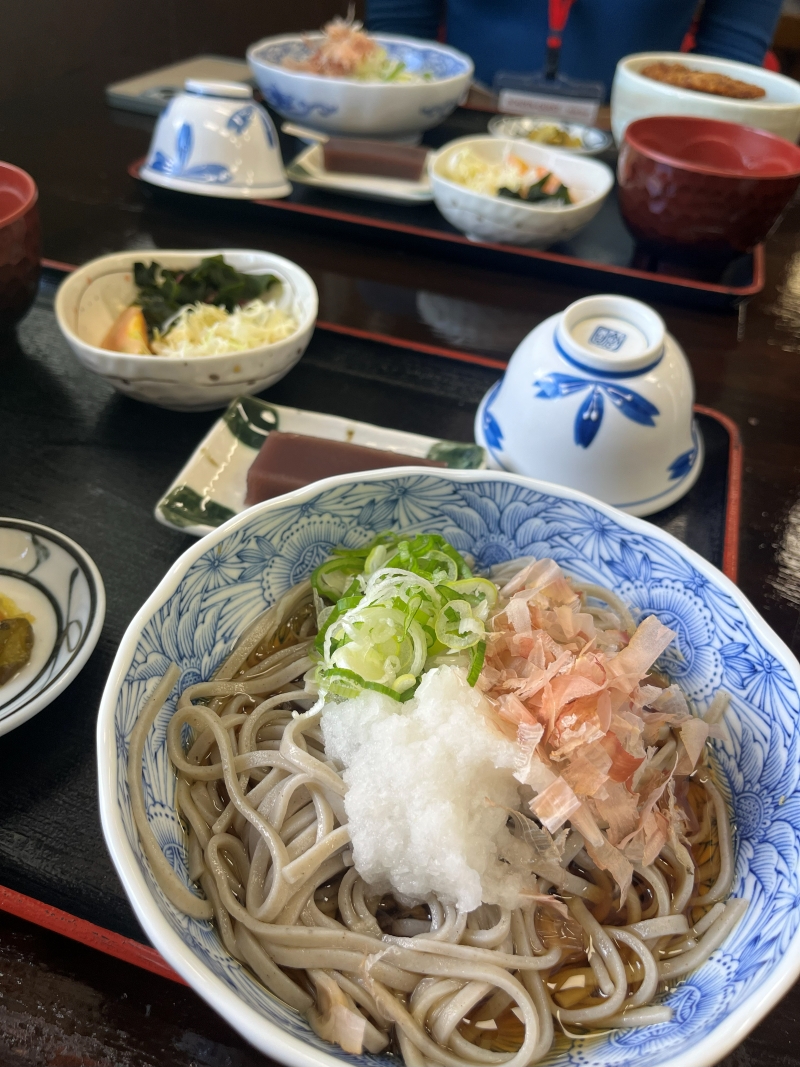
The "Fukui Set" allows you to try both "Echizen Oroshi Soba" and "Sauced Echizen Katsu".
Echizen Oroshi Soba features fresh and chewy soba noodles, combined with a dashi-based sauce and spicy grated daikon radish. The spiciness of the radish is more similar to horseradish or wasabi, and it adds a refreshing flavour to the classic soba dish. Sauced Echizen Katsu however, consists of crispy fried pork cutlets, generously coated in a sweet soy-based sauce. When eating it together with rice, the sweetness from the katsu and the sharpness from the soba complement each other perfectly.
Therefore, you can’t go wrong with the “Fukui Set”.
Ryotei Kamani Besso / Recommended Dish: Kaiseki Cuisine
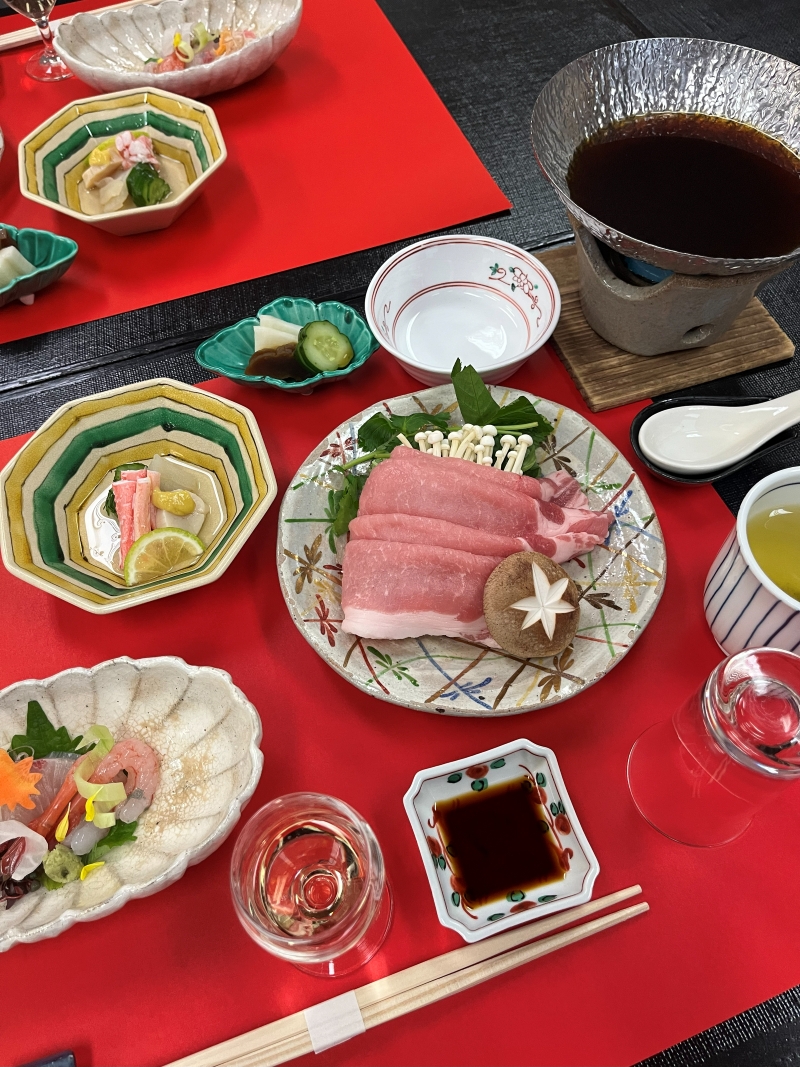
If you’re looking for an upscale experience; “Kamani Besso Honmise” is a Kyoto-styled restaurant in the heart of Echizen city. Their philosophy is: “to eat is to live” which definitely translates while dining here. Founded in 1873, the dishes at Kamani Besso are made from locally sourced ingredients. The rooms are elegantly designed and allow for guests to use different staircases just like in the Edo period.
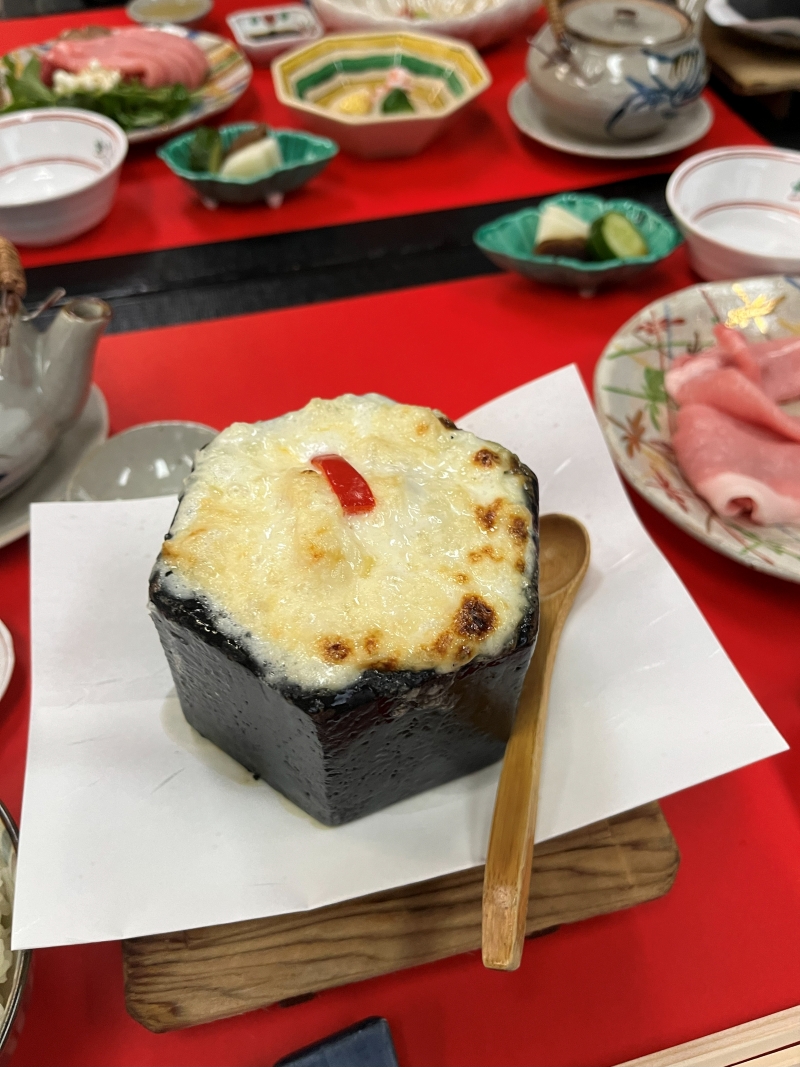
It was here that I enjoyed a kaiseki course, and the Echizen sweet shrimp sashimi and the sukiyaki were too highlights for me. The sukiyaki itself melted in my mouth and was rich in umami. Also, since it was raining that day, I can vividly remember the moment I took a bite of the crab gratin. It was a warm hug to the soul.
If you are wanting to enjoy traditional Japanese dishes: I highly recommend visiting Kamani Besso!
■ Summary
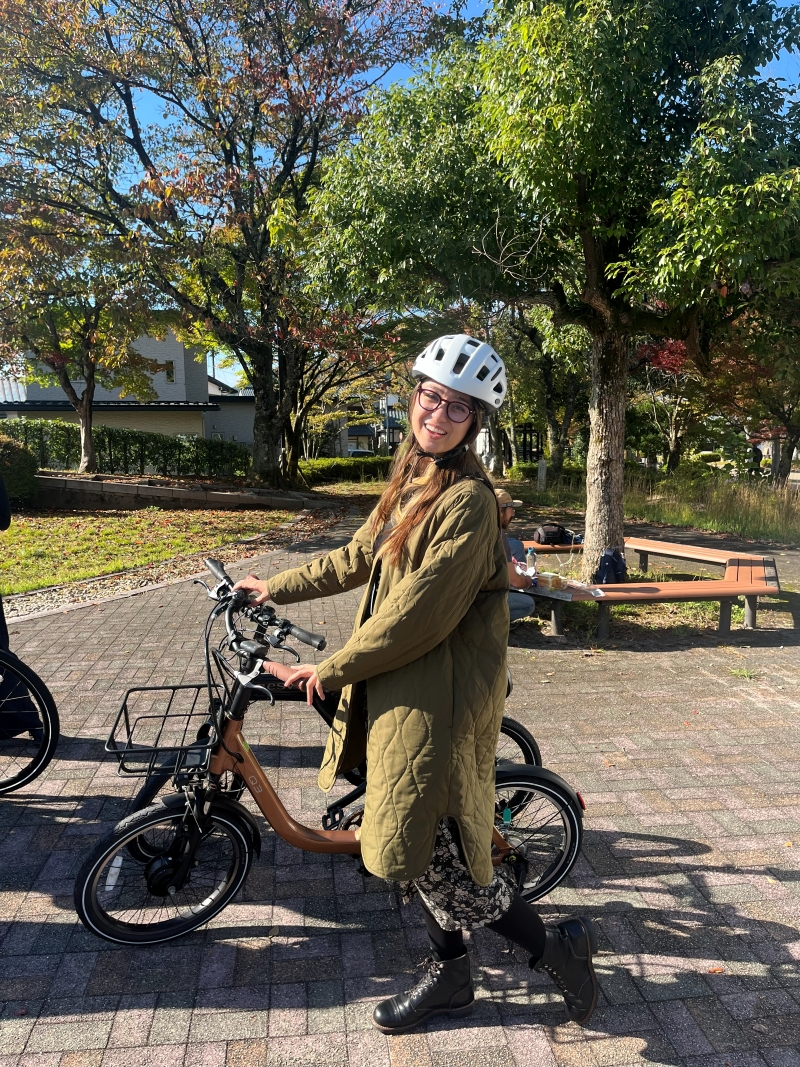
This time, I introduced Echizen City in Fukui Prefecture, where ancient traditions and culture still remain. How did you find it?
While circumstances vary from country to country and region to region, in countries other than Japan, there are not many examples of "experiential facilities" where ordinary people can experience traditional crafts. In particular, in cultural areas where traditional techniques are passed down as "family businesses" or "craftsmen's secrets," there is a tendency for them to be less open to outsiders. In this context, Echizen City, where even ordinary people can easily experience techniques that have been passed down for hundreds of years, can truly be said to be a unique place.
Echizen City, where the richness of nature and the handiwork of its people coexist, is a charming city that gently embraces the hearts of its visitors. Please do visit Echizen City and experience "authentic tradition" for yourself. Thank you for reading to the end.